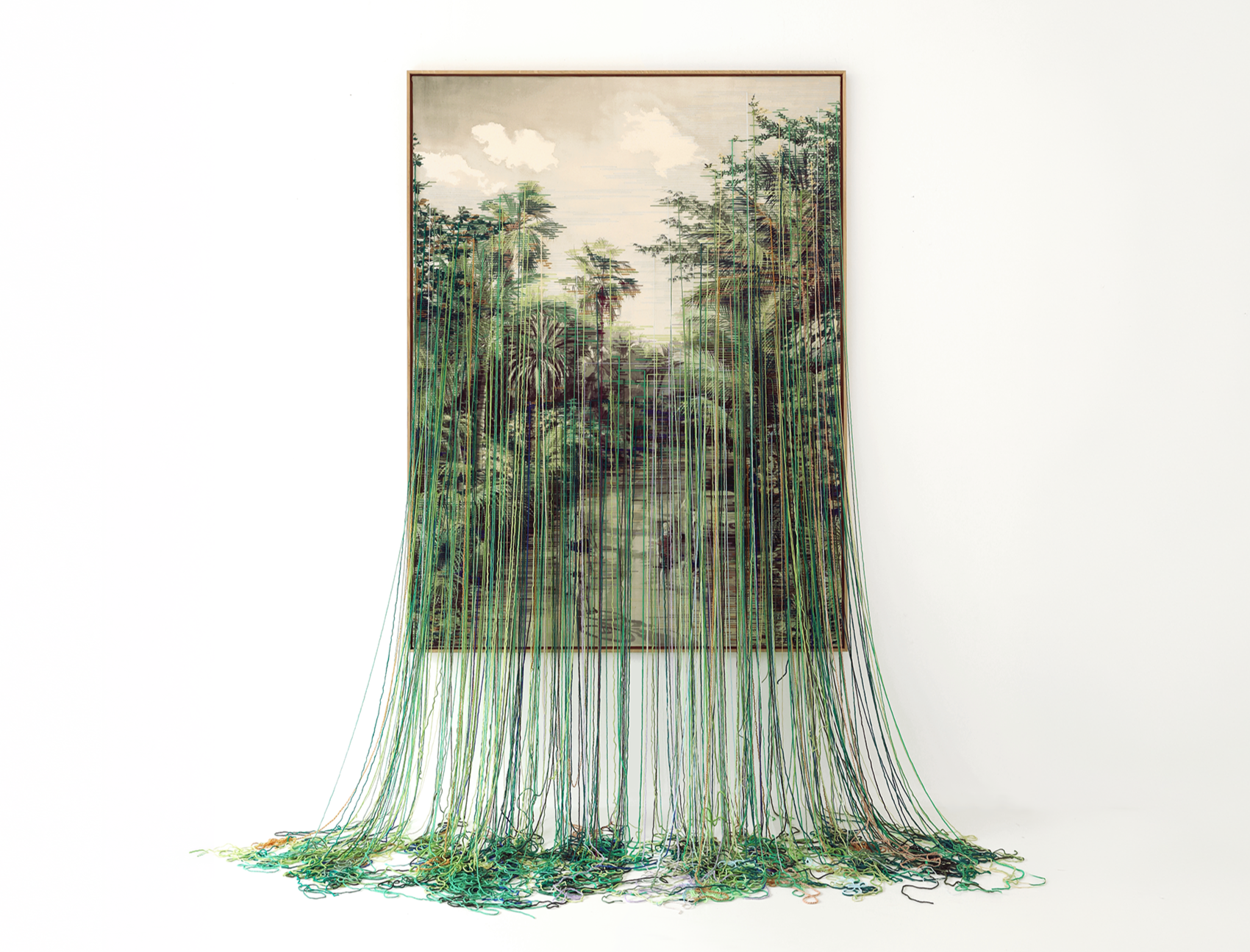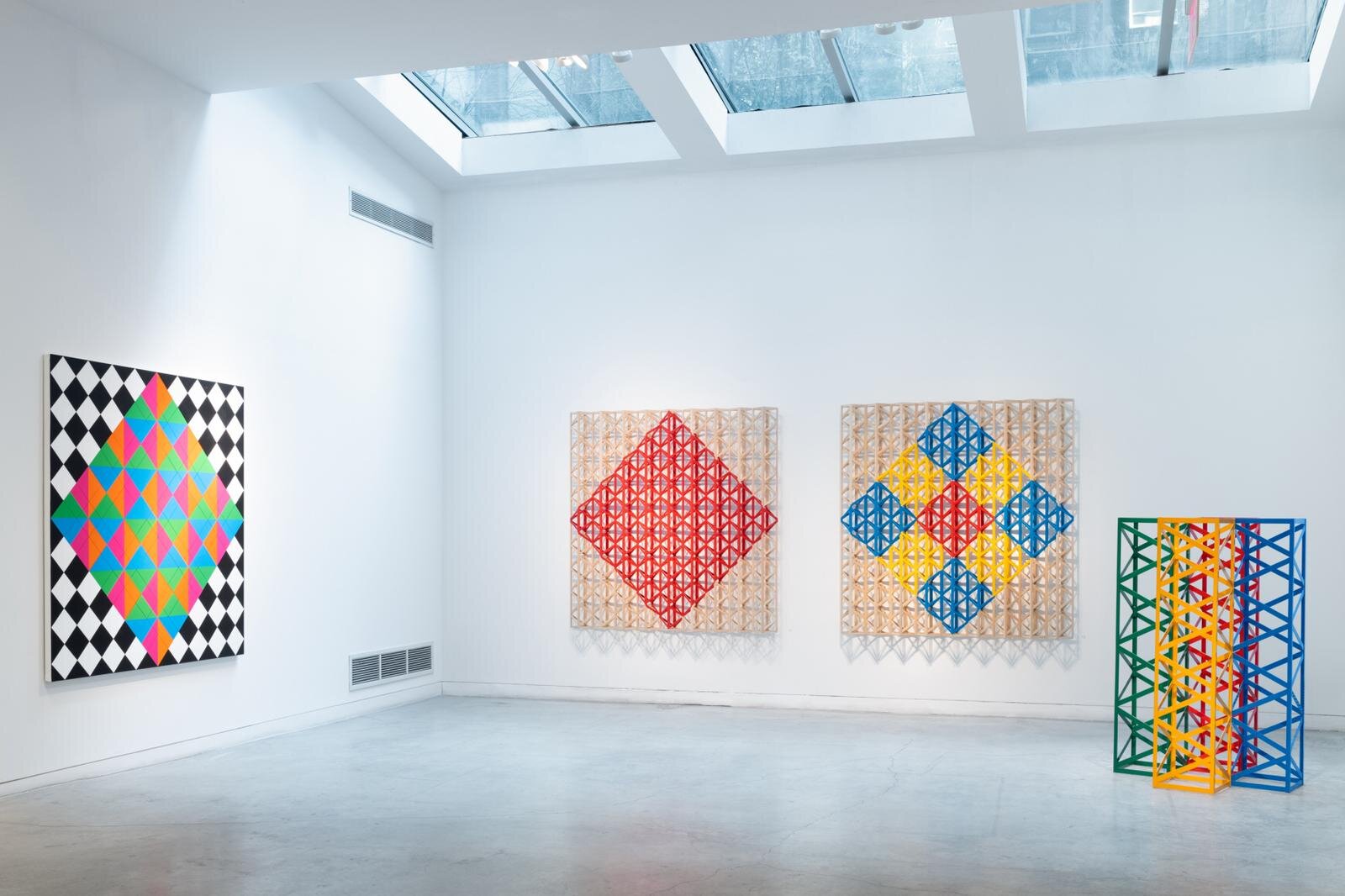

Picture by @maxcollins_studio
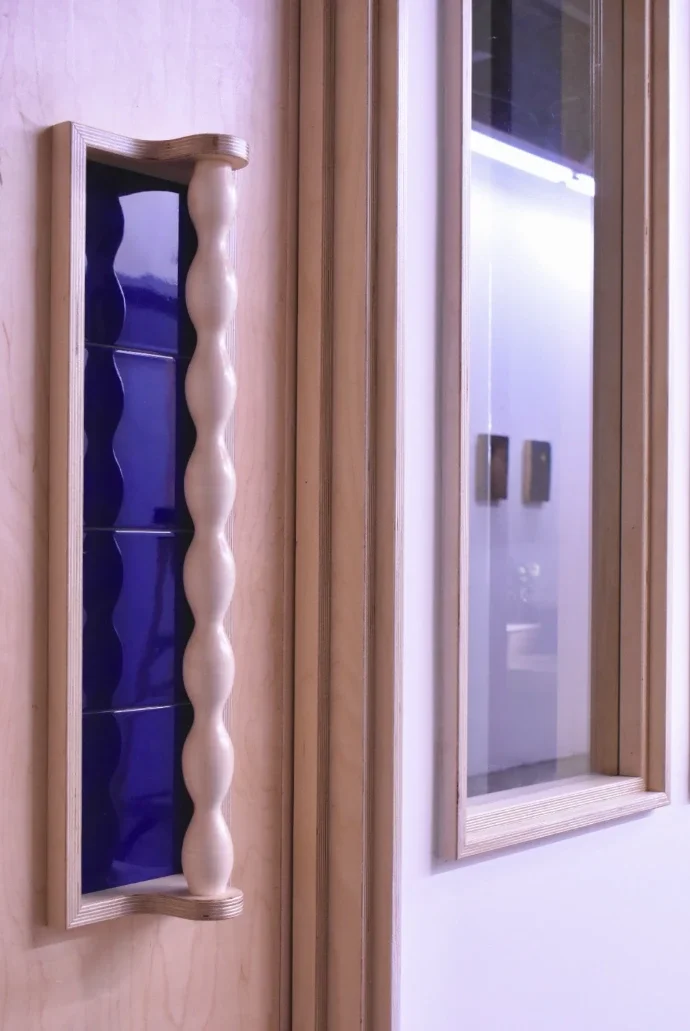
Designer, woodworker and artist Quincy Koczka works at the intersection of architecture, and craft. Based in Buffalo, New York, his practice is informed by an architectural education and a hands-on understanding of how things are made.
We spoke with Quincy about material, process and the pursuit of making things that stand the test of time.
1. You studied architecture, but eventually chose to work with wood and your own hands. Was leaving architecture a rejection of the profession, or of the distance between designing something and actually making it?
I think I could have happily stayed in the profession of architecture, but in a small city like Buffalo, there are only so many firms doing interesting work, and you have to put in a good amount of time into those positions before you are given any real autonomy as a designer. While I was searching for employment after university I found a skills based trade school run by an artist and designer. We got to design and build a bunch of cool projects and I was still fresh out of school. I realized that there were a lot of areas where contractors and tradespeople had a lot of design freedom, perhaps even more than the average drafting employee at your local architecture firm.

2. What did architecture teach you, and what did it fail to teach you?
It’s hard to understate what architecture school did teach me. We were exposed to a really wide variety of tools, techniques, and ways of working. Our school had a great fabrication shop equipped with woodworking tools, cnc capabilities, kilns, metal fabrication capacity and more. Add that to all the design drawing and drafting tools and you get a pretty good baseline understanding of skills and techniques that you need to make things. We also were taught to structure strong design arguments, and to be able to justify each move we made. I want to give some serious credit to the staff and faculty at the University at Buffalo school of architecture and planning.
The only think that Architecture school didn’t teach me was the really in depth woodworking knowledge, but I don’t really blame the school for that, I think it would be hard to include every single fabrication discipline at that level.
3. Architecture taught you to think at the scale of buildings. Working with wood puts you in contact with millimetres, grain and joints. Did changing scale change the way you see the world?
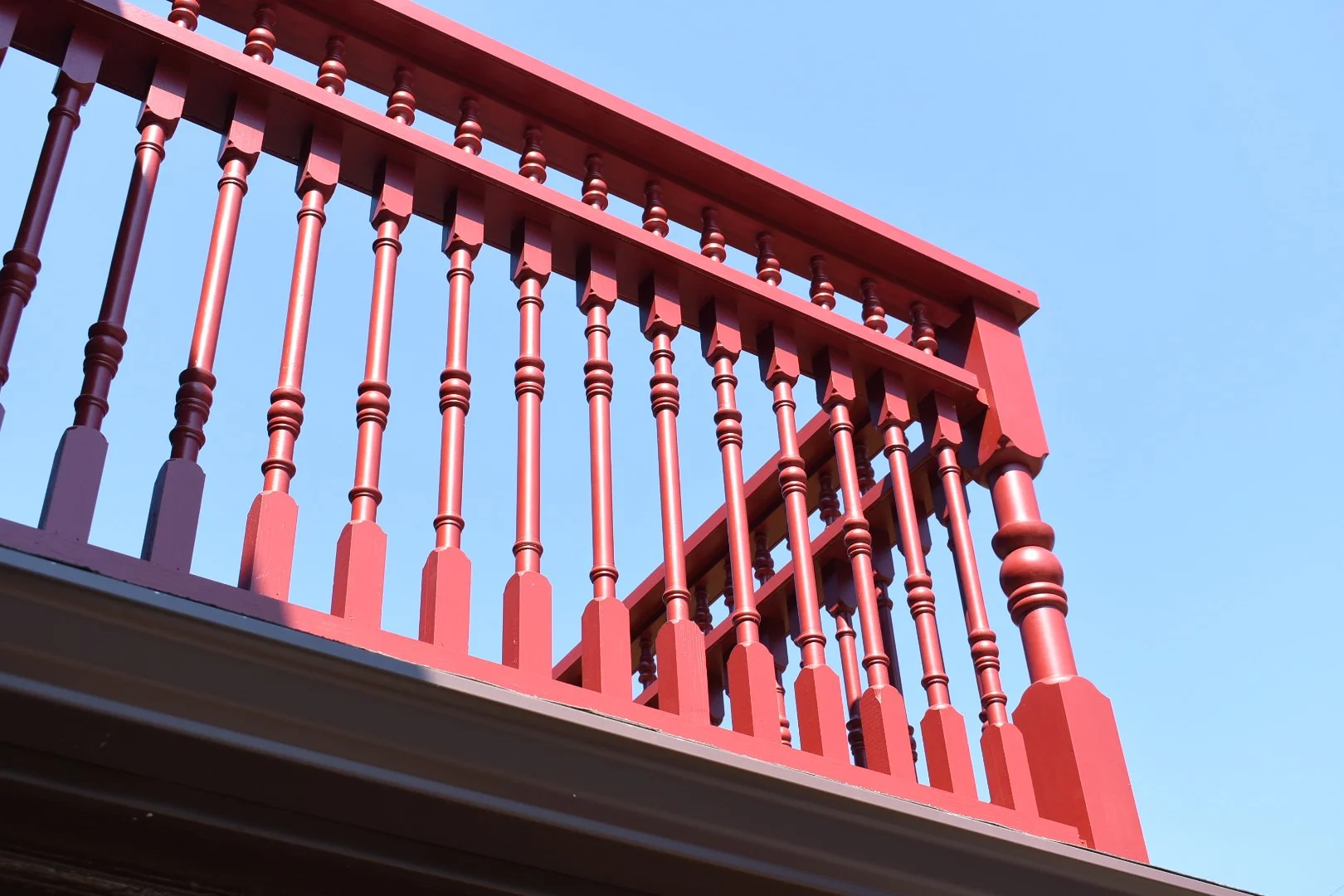
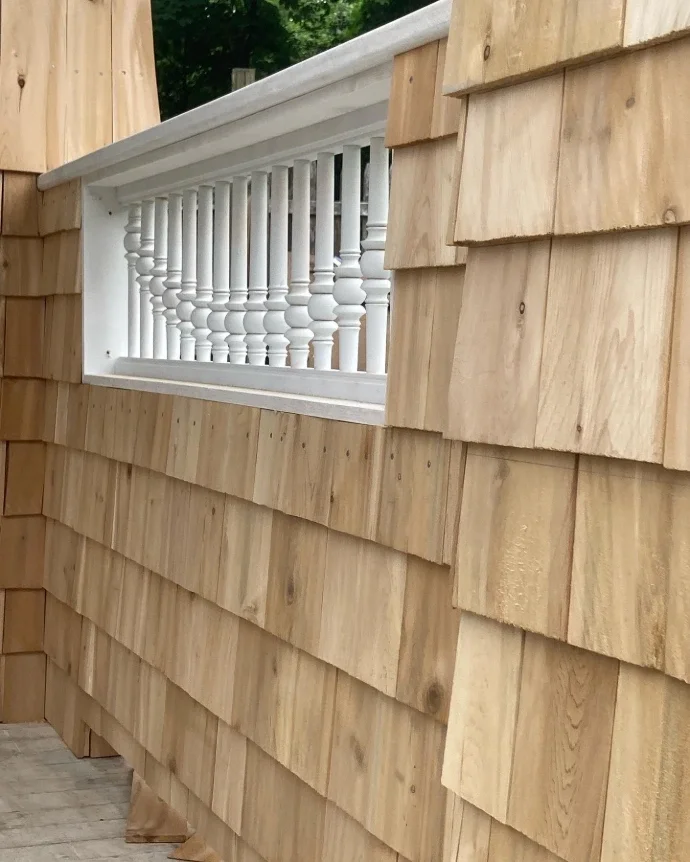
It absolutely did. There still are a lot of 150 year old houses in Buffalo, the more knowledge I gained about how things are made, the more I could notice and appreciate the details of all the old Victorian era homes. It boggles my mind to think about how many hours of labor went into even modestly decorated homes. I think its also really important to think of projects from the scale of the smallest detail. Even at that minute scale, the design and the thinking that produced it should relate back to the whole project.
4. What happens when you spend hours working with a material instead of simply specifying it?
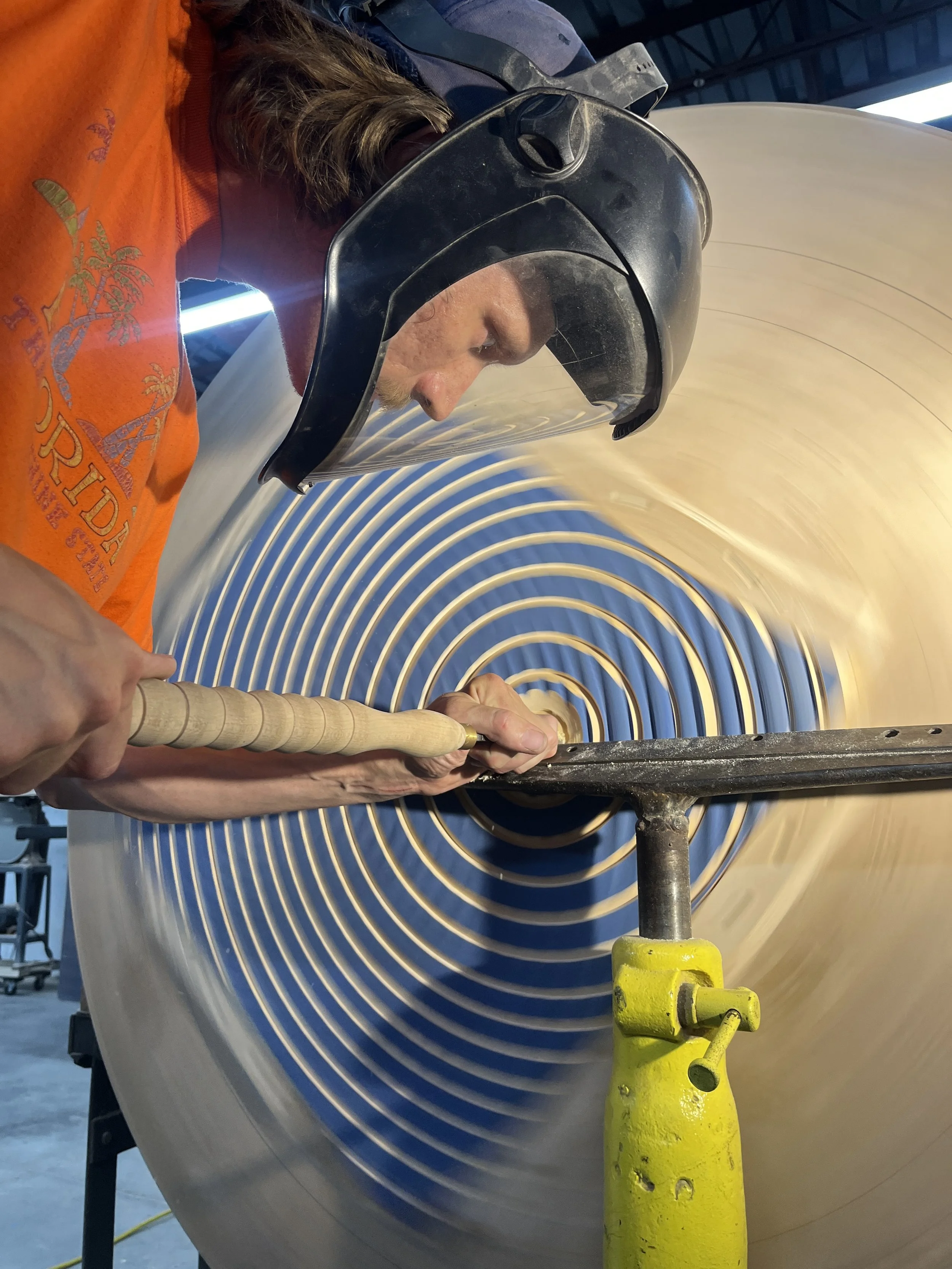
Working with materials in your own hands is its own form of thinking, and it’s something all humans used to do. It’s so much easier to understand the properties of materials when you have seen and physically felt their limitations and strengths.
5. What do you know now that you wish you had known when you began?
I wish I had maybe had a little more training as far as running an actual business. It’s not enough to be skilled at what you do, you need to understand costs, markets, buyers, and the most important of all, how to charge for you time and expertise.
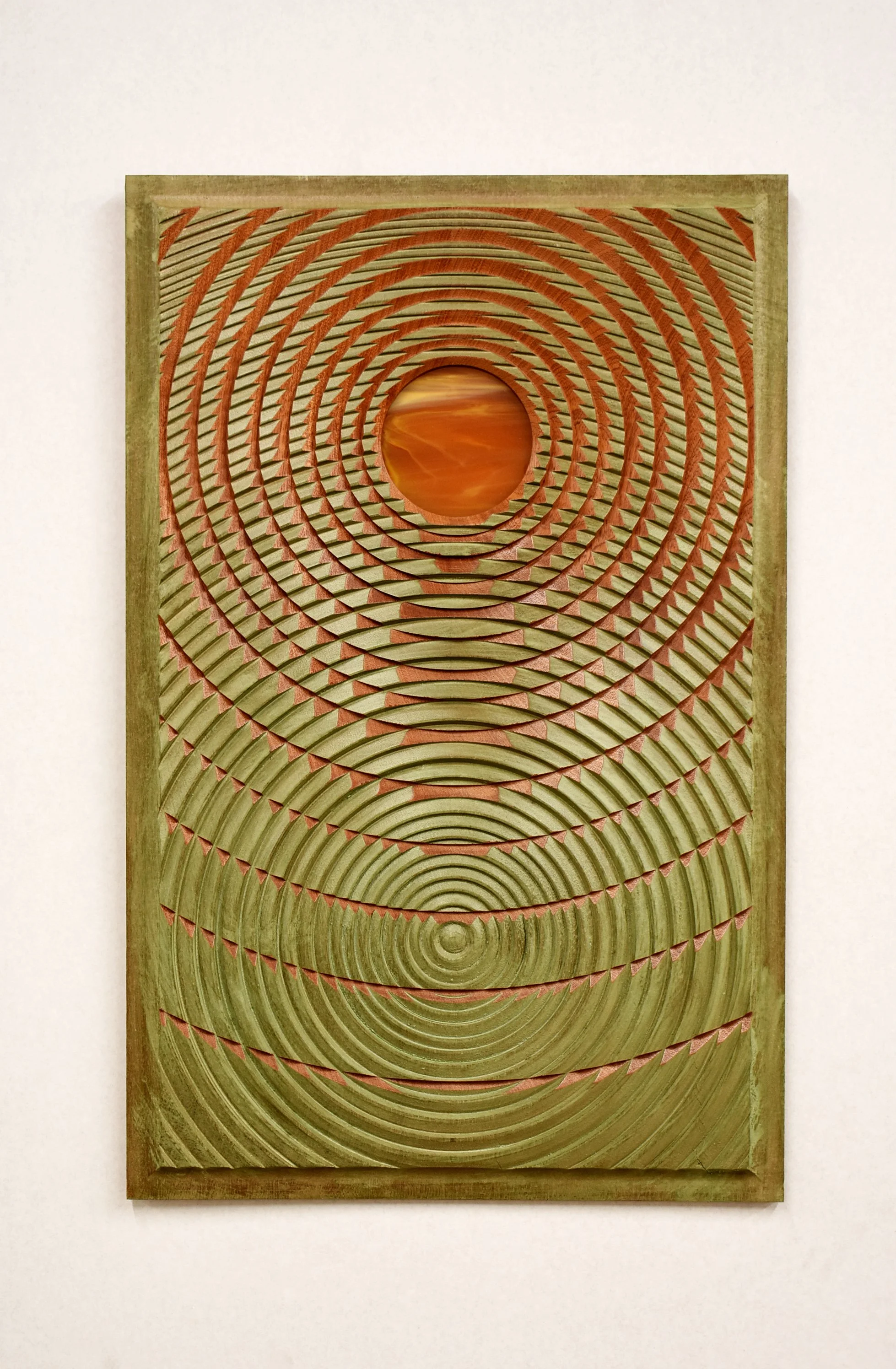
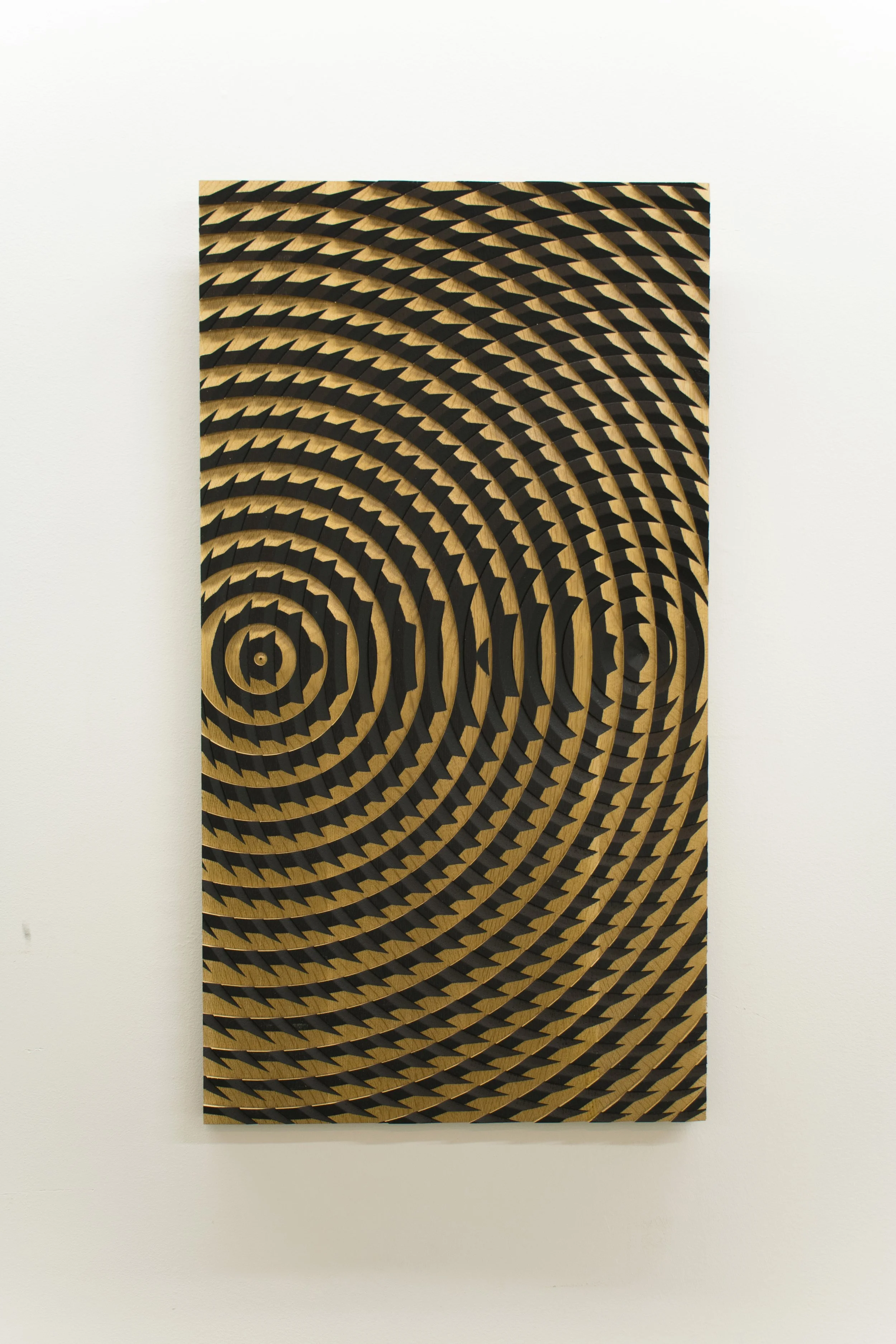
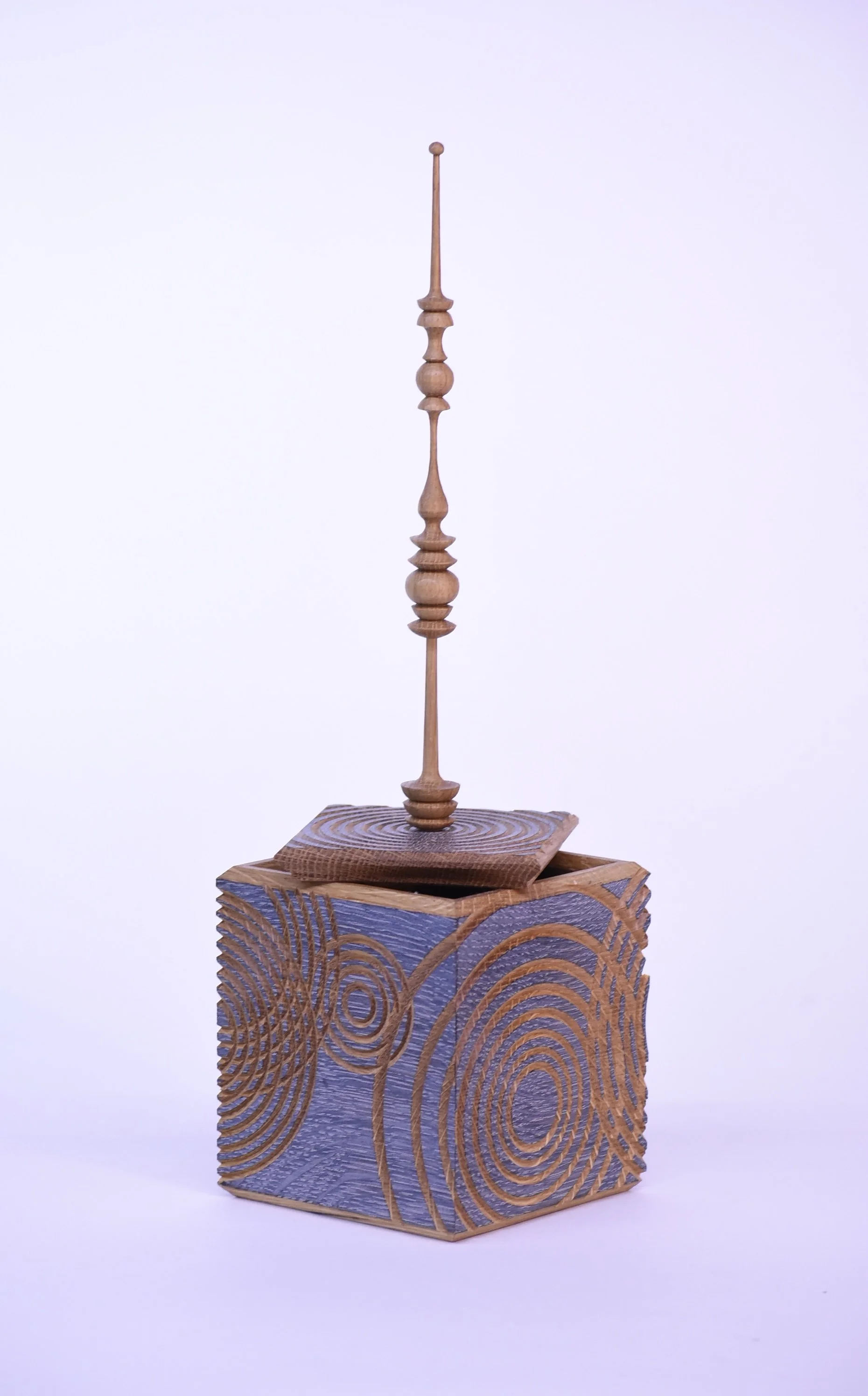
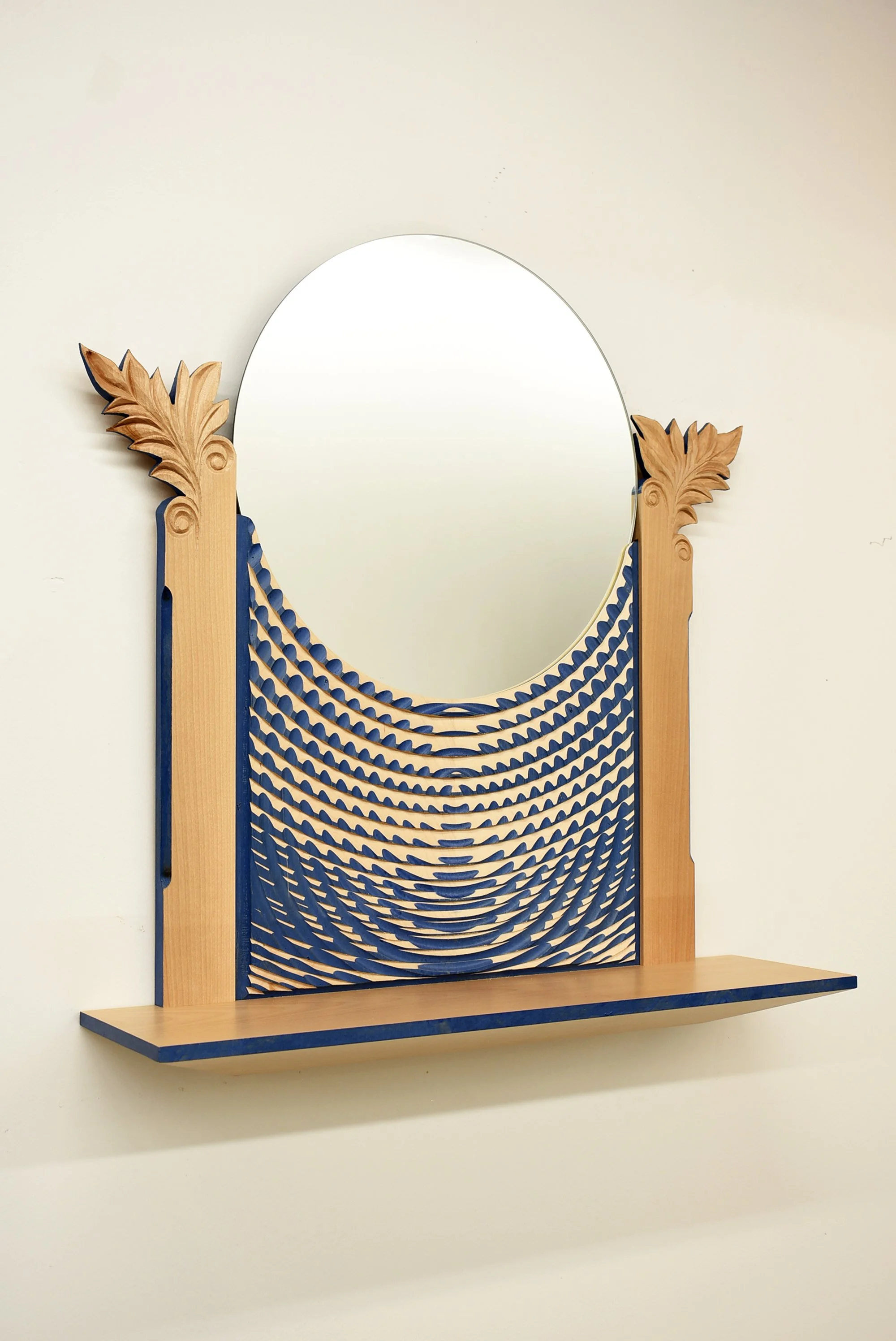
“History is a time machine sometimes and objects are what allows us to travel through time.”
6. Do you ever deliberately leave evidence of the hand in your work — an irregularity, a mark, something that tells you a person was there?
I would hope that the evidence of the hand and the human mind is obvious in my work, and that any mark of the human is a natural by-product of me making it and not something that was added deliberately.
But on top of that, I do think it is incredibly important for designers and artists to sign their work. If all else fails you at least have that.
7. At what point does precision become sterile?
This is a tough one. I think precision becomes sterile when we lose our connection or appreciation for what it takes to get to that point of precision. The “monobloc” chair- the ubiquitous white plastic backyard chair- is known by industrial designers as one of the greatest feats of product engineering ever created by humans. The amount of skill, expertise, planning, and manufacturing knowledge that goes into producing the molds for such a product would have been a fever dream 100 years ago. But most people don’t know about that side of things or even see it, so it’s that much easier for it to feel like cheap, sterile, plastic crap. Which it maybe still is.

8. Is perfection actually desirable in a handmade object?
I don’t know, I think perfection can be very subjective. People in the market for antiques will happily pay more for an old chair that’s never been cleaned or is covered with areas where the original paint or finish has worn through. Does that make it perfect? It depends on the person asking the question I suppose.
9. What can a beautifully made object give us that a beautifully designed object cannot?
A beautifully made object can speak to something esoteric that a beautifully designed one has a harder time reaching. But it’s hard to separate the two because if you are doing a good job, there will be overlap between making and design.
10. You spent several years teaching woodworking and carpentry. What did teaching people to make things teach you about making yourself?
I think I’m already slowly building versions of that room through both the studios: the lab, archive, objects, books, forest, architecture, sound, smell, light, food, all of it becoming part of the same world. Materials being grown, tested, dried, oxidised; prototypes sitting alongside finished objects; things constantly changing or becoming something else. With absolutely no commercial constraints, I’d probably just make the lab slightly insane: scientists and designers working together to biofabricate impossible sculptural forms for the body, with experiments that could run for years, fail completely, or never need to become a product. Basically the studio, but with no reason to be reasonable.I’m reminded of an unattributed quote I heard once.
“In the mind of the beginner, the possibilities are endless, yet in the mind of the master, the possibilities are few”
I was always impressed at the fresh and playful mindset that new students had. I think this was mostly because when you are a novice, you don’t know the “correct,” way to do anything, and while sometimes that produces poor quality work, the ideas are sometimes much stronger and more inventive than that of experienced makers
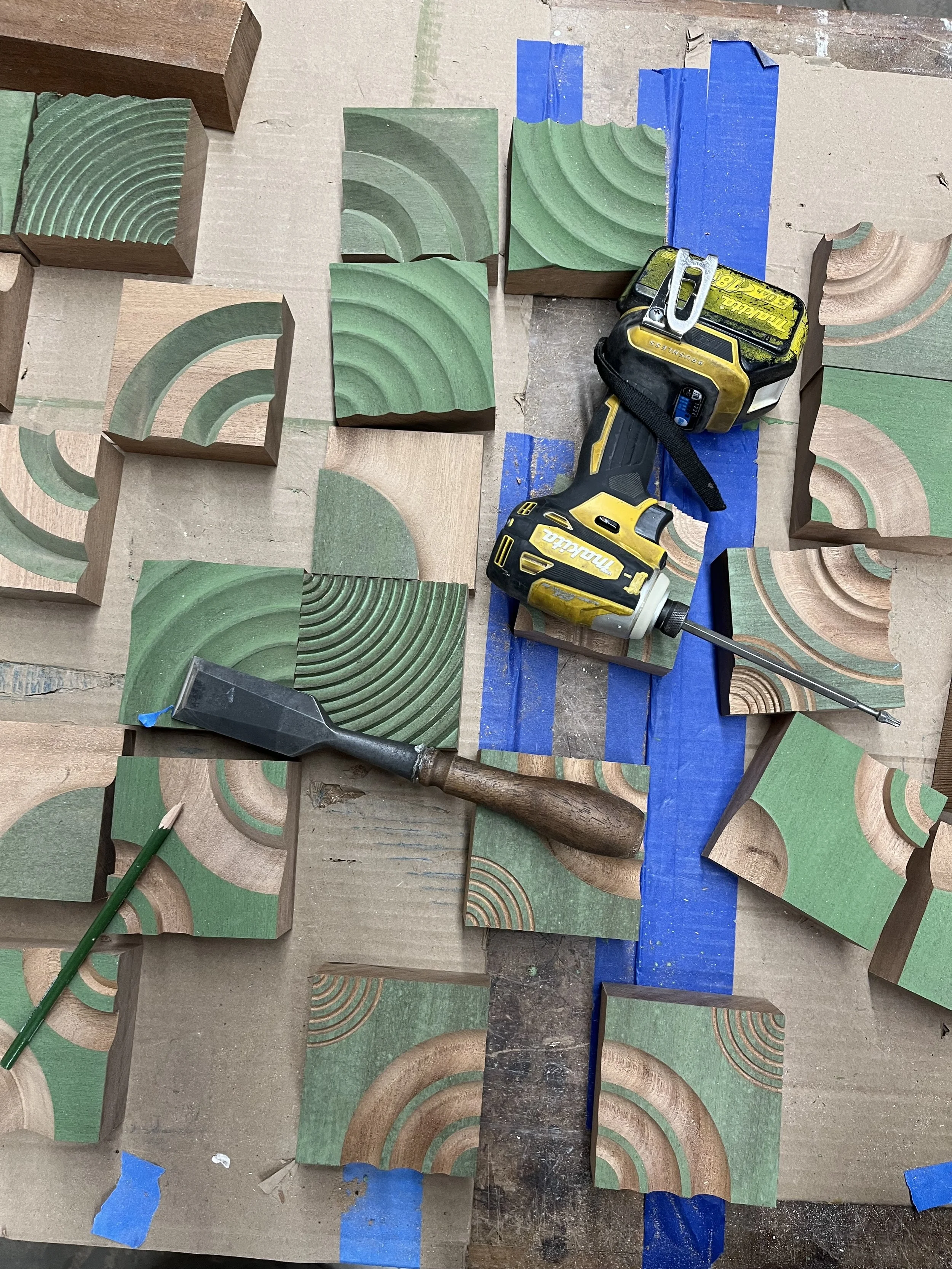
11. Has teaching changed the way you think about talent? What matters more in learning to make something well: natural ability, patience or repetition?
Talent is a great start, but you wont get anywhere without the patience to try something over and over. I think patience and repetition are more important since those are the things that actually nurture talent.
Artist Showcase
--
Artist Showcase --
12. You talk about creating “beautiful objects, spaces, and memories”. Why do you put memories alongside objects and spaces?
Space creates a lot of things, and memory is one of them. Think of the invaluable memories created in your family’s house as a child, what power a family heirloom can have. I think objects and spaces can create the conditions for those intangible aspects of life that we hold dear, and hopefully someone wants to trust me to help create the things that help create those memories.
13. We live in a culture increasingly comfortable with things being instant, disposable and replaceable. Why do you think making something that can last a lifetime still matters?
There are a bunch of good reasons to make something that will last. It takes a lot of energy to make something well, but contrary to what you would expect, it takes a lot more energy to make something poorly. Poorly made stuff wears out faster, doesn’t work as well, and needs to be replaced sooner which ends up costing more in the long run. As the saying goes- “buy once, cry once.”
14. Handmade objects are often expensive. How do you reconcile the democratic idea of making with the reality that beautifully made things can become luxury goods?
The way wealth is distributed across the world right now has created a condition where it’s incredibly hard to do or make anything by hand and have it not be a luxury good. Quality takes time, and with the cost of living being so high, if what you make takes a long time to create, you won’t survive unless you charge appropriately.
15. There is a renewed fascination with craft right now. Do you think people genuinely want to understand how things are made, or have they simply become attracted to the aesthetic of craftsmanship?
I’m sure there are some people who are only superficially attracted or fascinated by craft, but I do believe that people are genuinely interested in these things too. It’s in our human nature.
16. What is one thing contemporary design has become too obsessed with?
I think we are starting to finally move away from it- but the Modern Farmhouse style. Things got a little too gray and beige. I think we’re ready for fun colors and finishes right now as a society. That and going viral.
17. Conversely, what do you think the design world has almost forgotten to value?
This is a tough one, but I think that historical design thinking is really important to understand, even if the design work you do sharply contrasts whatever history has to offer. Chances are you aren’t the first person to come up with whatever idea you currently have, and if you don’t know history you won’t know otherwise.
18. What should never be mass-produced?
Art.
19. What should absolutely be mass-produced?
I don’t know if I have a firm answer on this one. As I look around the office I am currently in I can see a bunch of objects like my phone and this computer that im typing on that I’m happy to have made in a factory with qualities and standards. I don’t know if I need my drill to be a bespoke handmade object, but maybe because Ive only ever known those objects as mass produced
20. You want the things you make to “stand for lifetimes to come”. When you look at the world you’re making in today, what do you think is actually worth making for the future?
Houses, Furniture, Jewelry, art, there are too many to list. If you’re going to build it, build it well. It takes a lot of energy to make anything, we should respect the energy time and resources it takes to make things by making them well enough that they don’t go in the trash in 2 months. If you go back far enough in history everything was more expensive relative to your income, that’s why furniture used to be passed down as a family heirloom. Somewhere along the way of trying to make things cheaper to produce and purchase, we lost sight of why we are actually making those things in the first place.
Words by Srishti Jindal
Watch the full the conversation here: