Some stories are written down. Others are cast, oxidised, and allowed to age.

For some designers, the object is the end point. For Devanshi Jain, it is a beginning: a way of recording experience, translating memory and giving form to what might otherwise remain intangible.
Moving between fashion, sculpture and material research, Jain’s practice resists easy categorisation. Her objects begin with lived experience- relationships, departures, psychological states—and become a kind of physical journal.
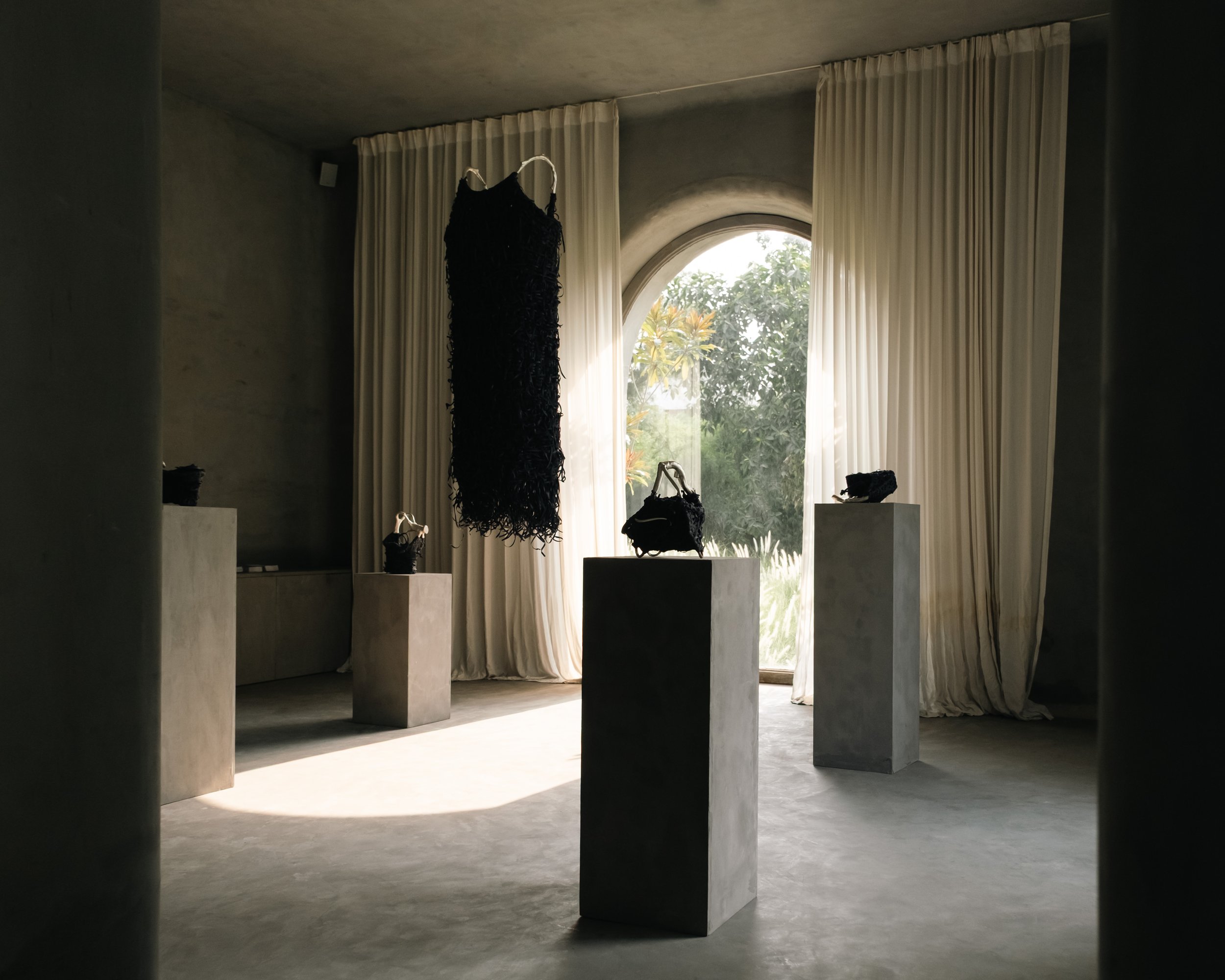
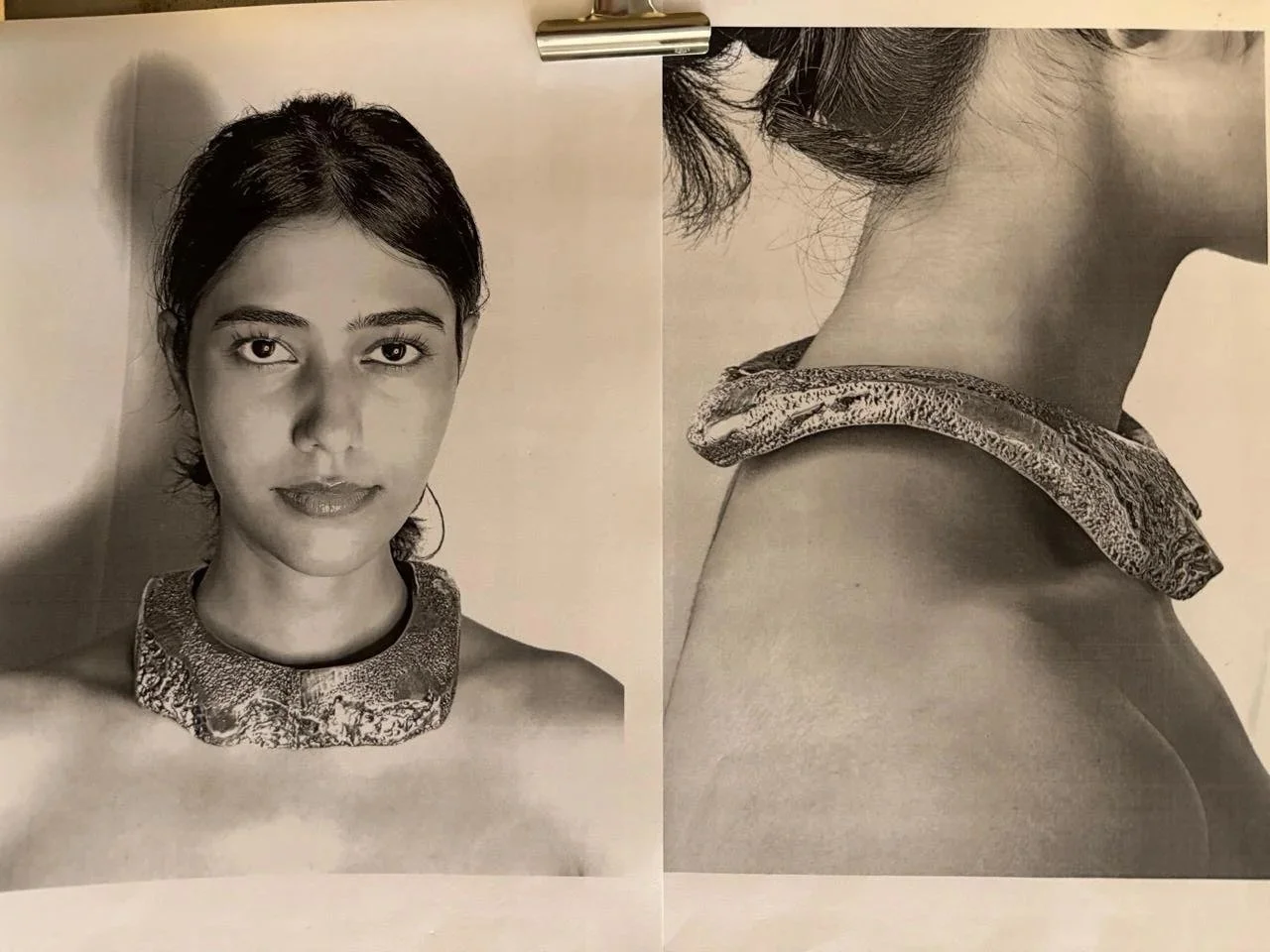
Materials are collaborators rather than simply means to an end. Reclaimed metals, biomaterials and mycelium, alongside surfaces that oxidise, crack and change, allow imperfection and impermanence to become part of the work.
At the heart of her practice is a quiet belief: an object doesn’t need to be perfect or permanent to be valuable. It simply needs a reason to exist.
If someone could only understand your work through a single object, not one you’ve made, but one that already exists, what would it be, and why?
A journal. My work is essentially a form of autobiography, except instead of writing experiences down and leaving them on a page, I translate them into objects. Each chapter begins with something lived: a psychological state, a relationship, a departure, a period of pressure. Materials and forms come later. In that sense, the objects are almost entries from a journal, just made physical.
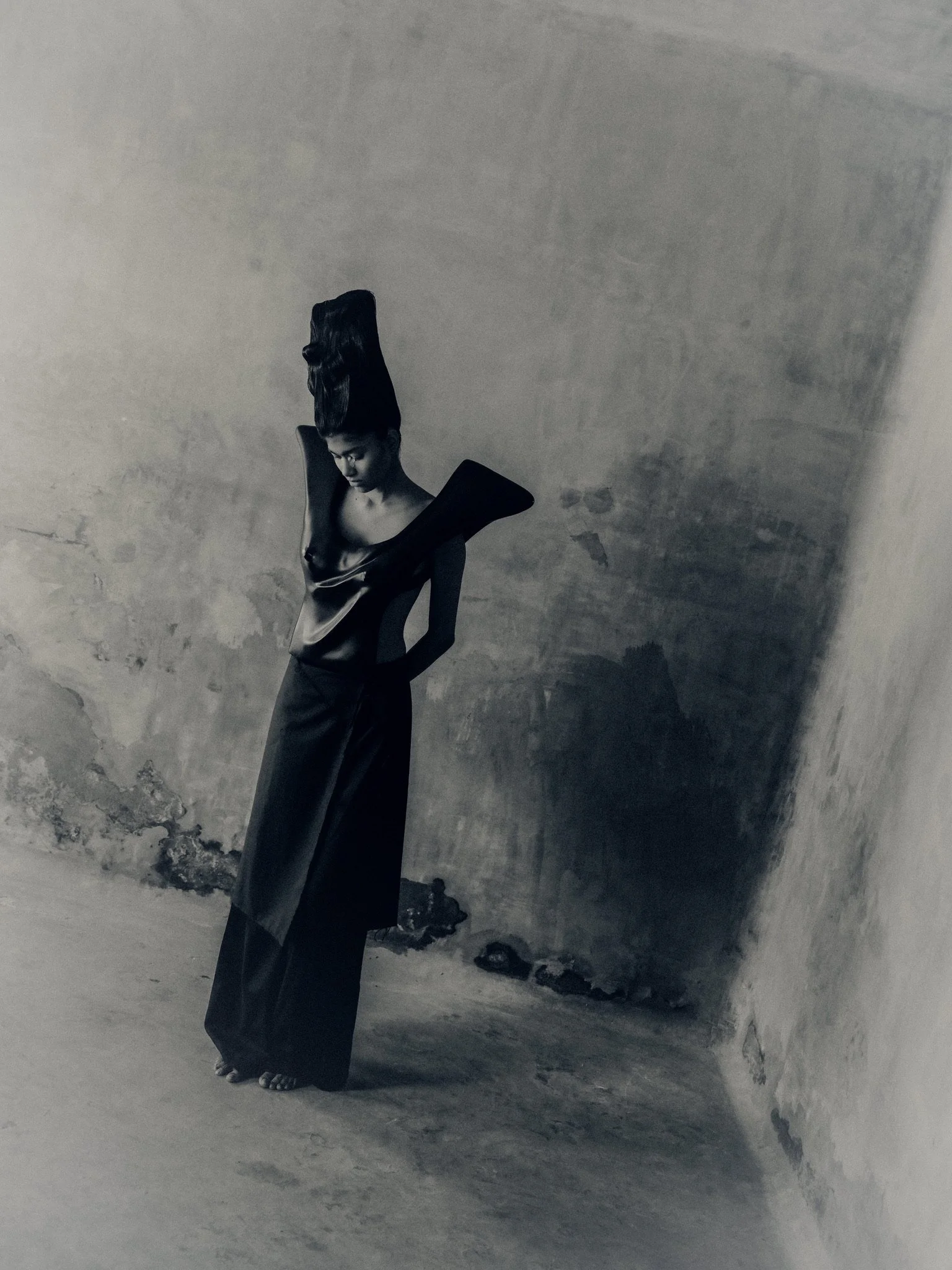
Your work exists somewhere between fashion, sculpture and material research. Do disciplines still matter, or are they simply labels the industry hasn’t learned to let go of?
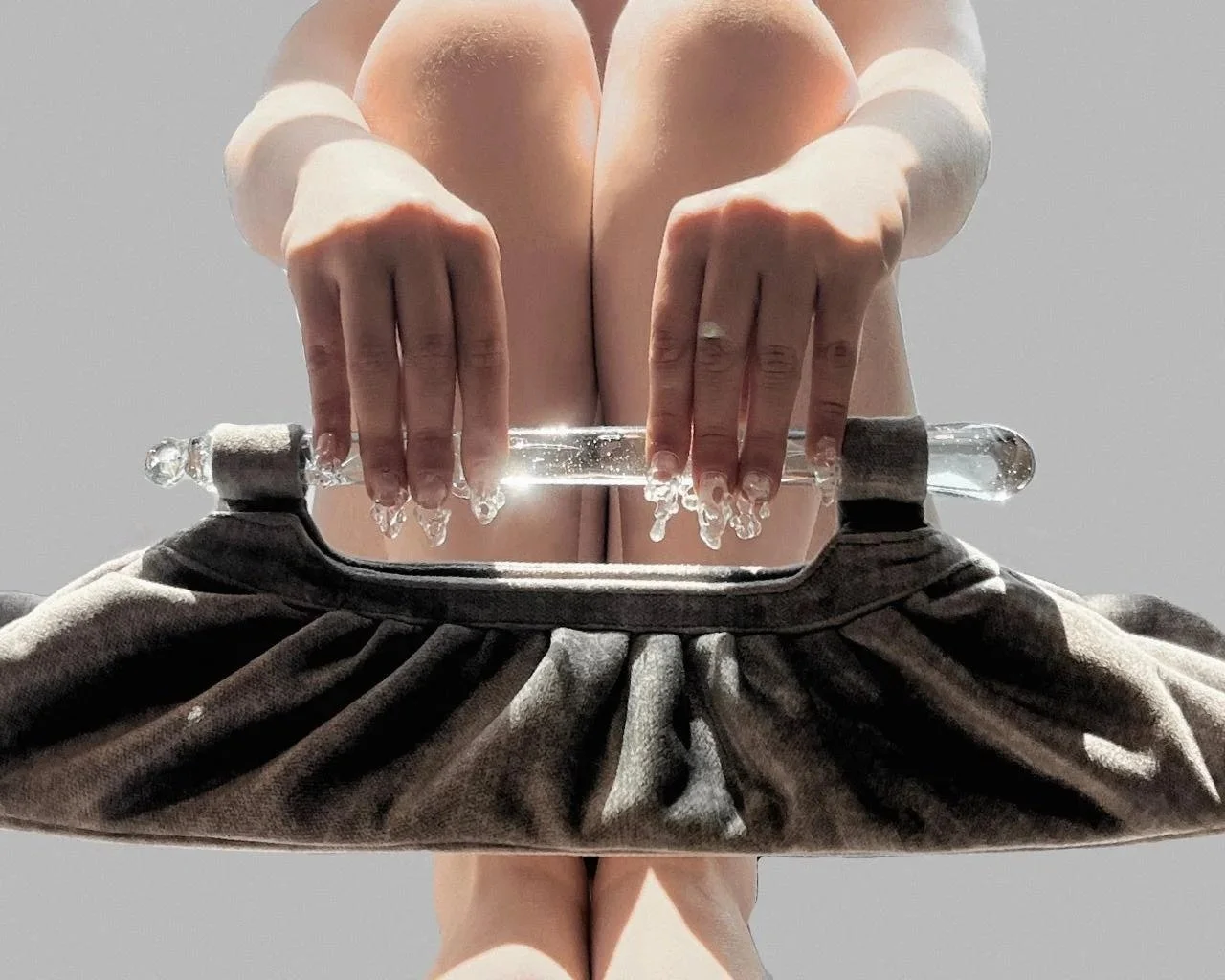
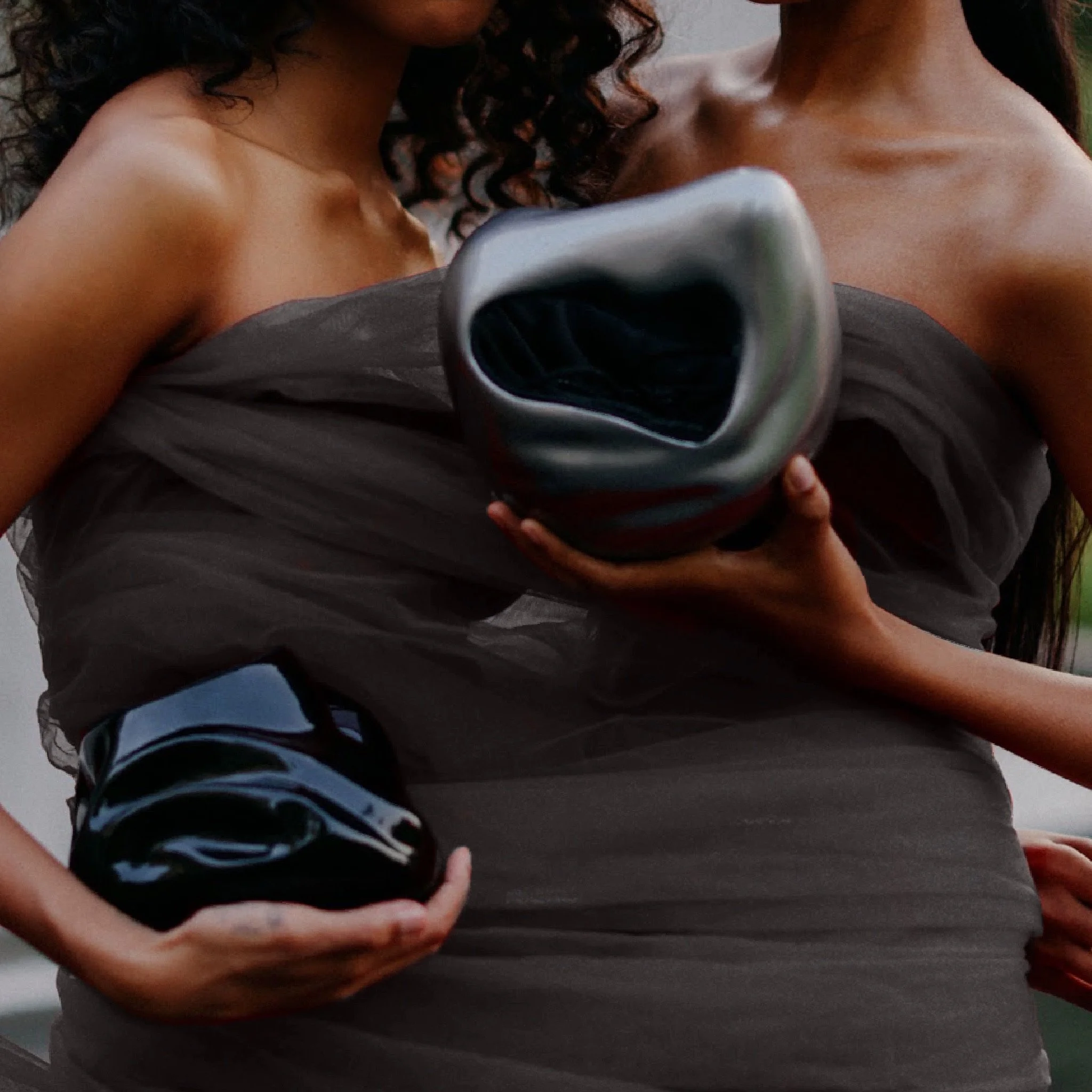
I think disciplines matter when you’re learning them, but much less when you’re making. I studied design, worked in fashion, and now spend a lot of my time thinking about sculpture and developing materials. I don’t consciously decide which discipline an object belongs to before making it. Sometimes it ends up on a body, sometimes on a table, sometimes occupying an entire space.
I do understand why those labels exist. They make work easier to communicate, categorise and, ultimately, more commercially digestible. I don’t need the category to make the work, but I understand that the world often needs one to receive it. The thinking can remain continuous even when the format, context or market around it changes.
What is one belief about beauty that you’ve completely changed your mind about?
That beauty needs resolution. I used to want things to feel finished and controlled. Now I’m much more interested in evidence: a casting irregularity, oxidation, a crack, a surface that records how it was made. I don’t necessarily see those things as imperfections anymore. Sometimes they’re the most important part of the object.
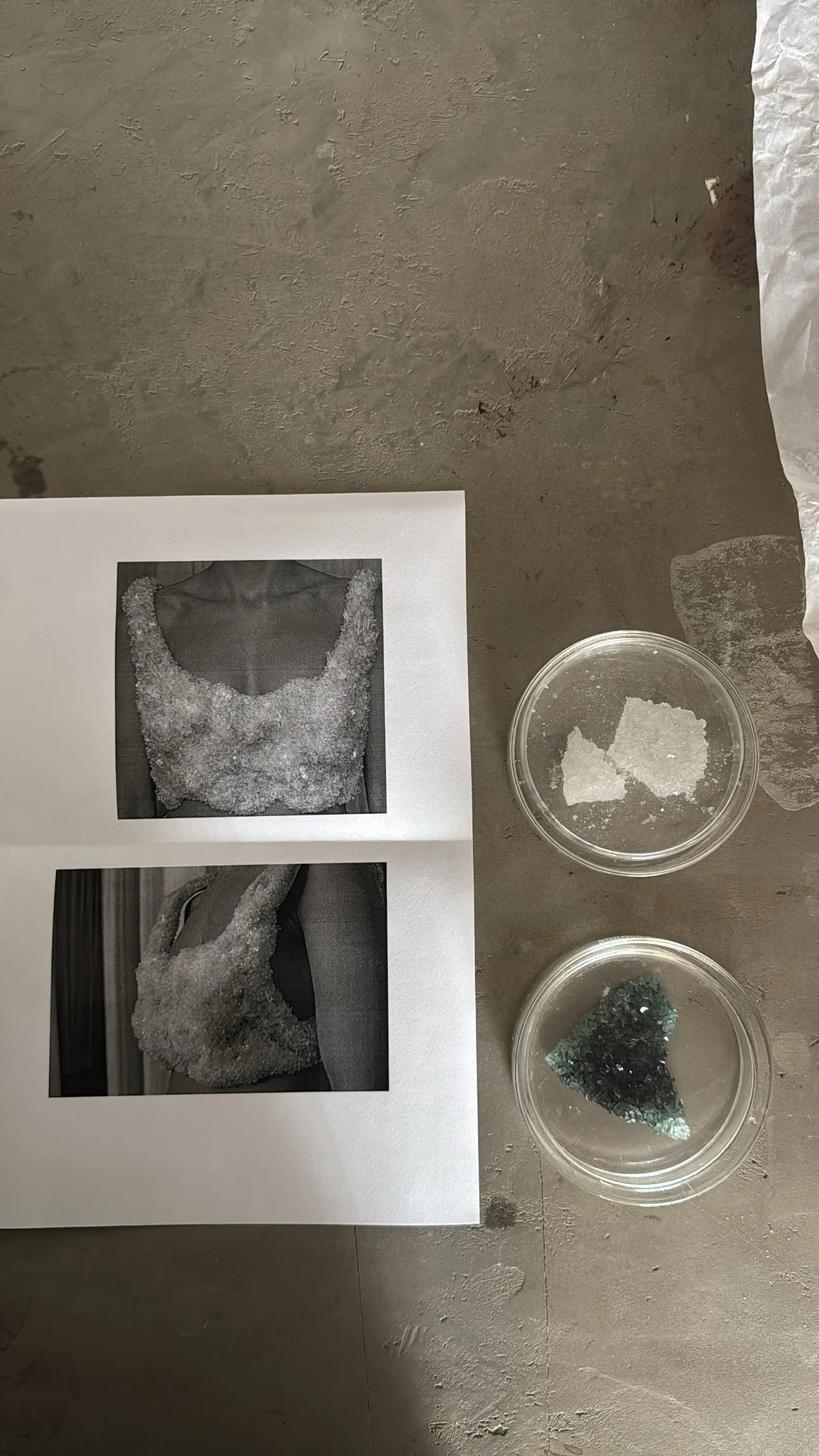
We often celebrate innovation, but what is one traditional material or craft you believe still has a future that the design world is overlooking?
Traditional bio-based material systems. A lot of what we now place under the language of biomaterials or biofabrication can sound very futuristic, when some of its foundations are incredibly old: natural pigments, plant fibres, protein-based binders, fermentation and other ways of working with living matter. I’m interested in what happens when that existing material knowledge is revisited through contemporary processes. Innovation doesn’t always require inventing a new material; sometimes it comes from finding a new application for something we’ve known for centuries.
If every material carries memory, what do you hope someone remembers when they encounter one of your pieces twenty years from now?
The feeling before the explanation. I’d rather someone remember the physical encounter with an object, its weight, proportion, surface or relationship to their body, than remember a paragraph explaining what it meant. The autobiography behind the chapters is important to me, but I want the objects to eventually acquire lives and memories outside of mine.
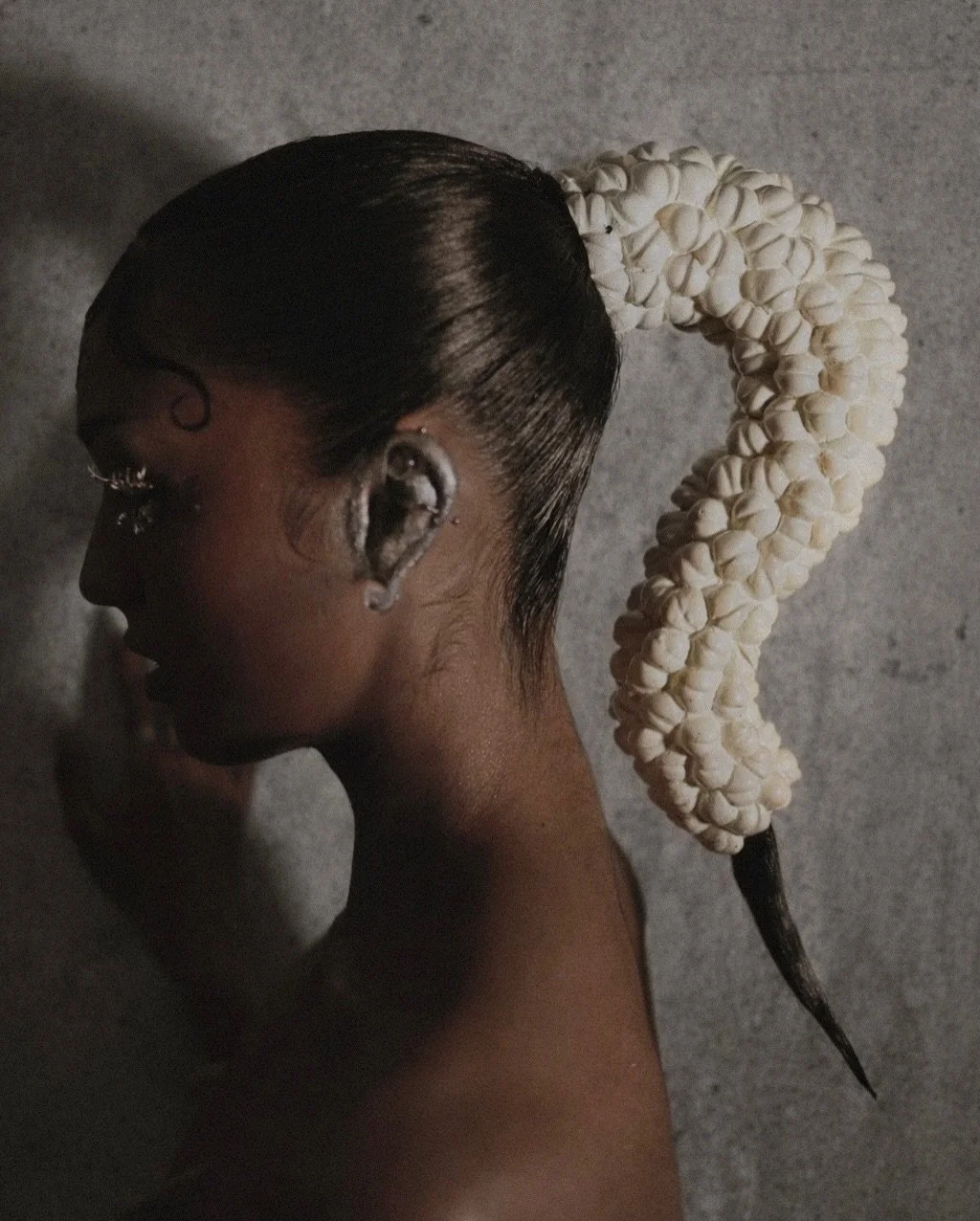
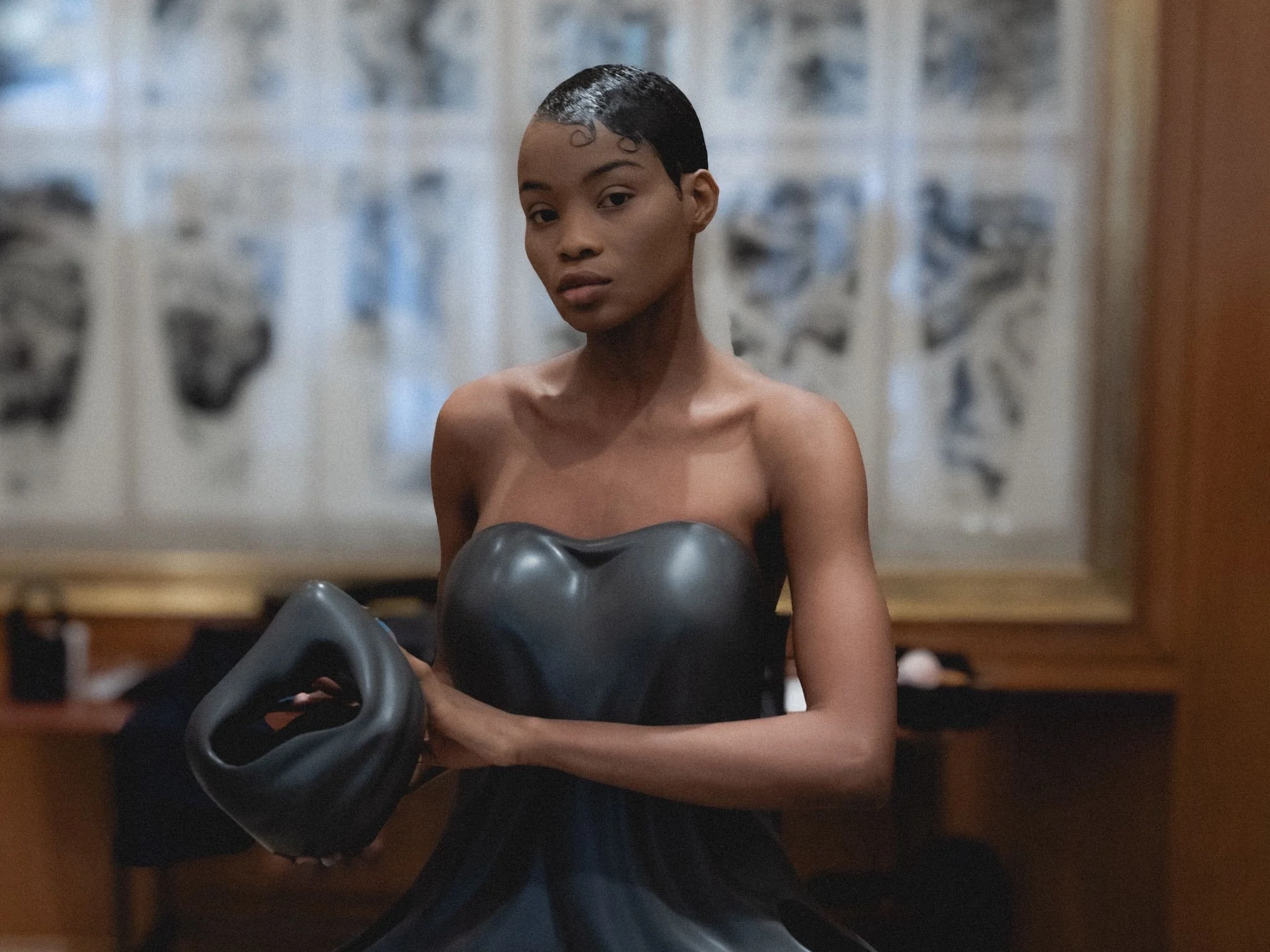
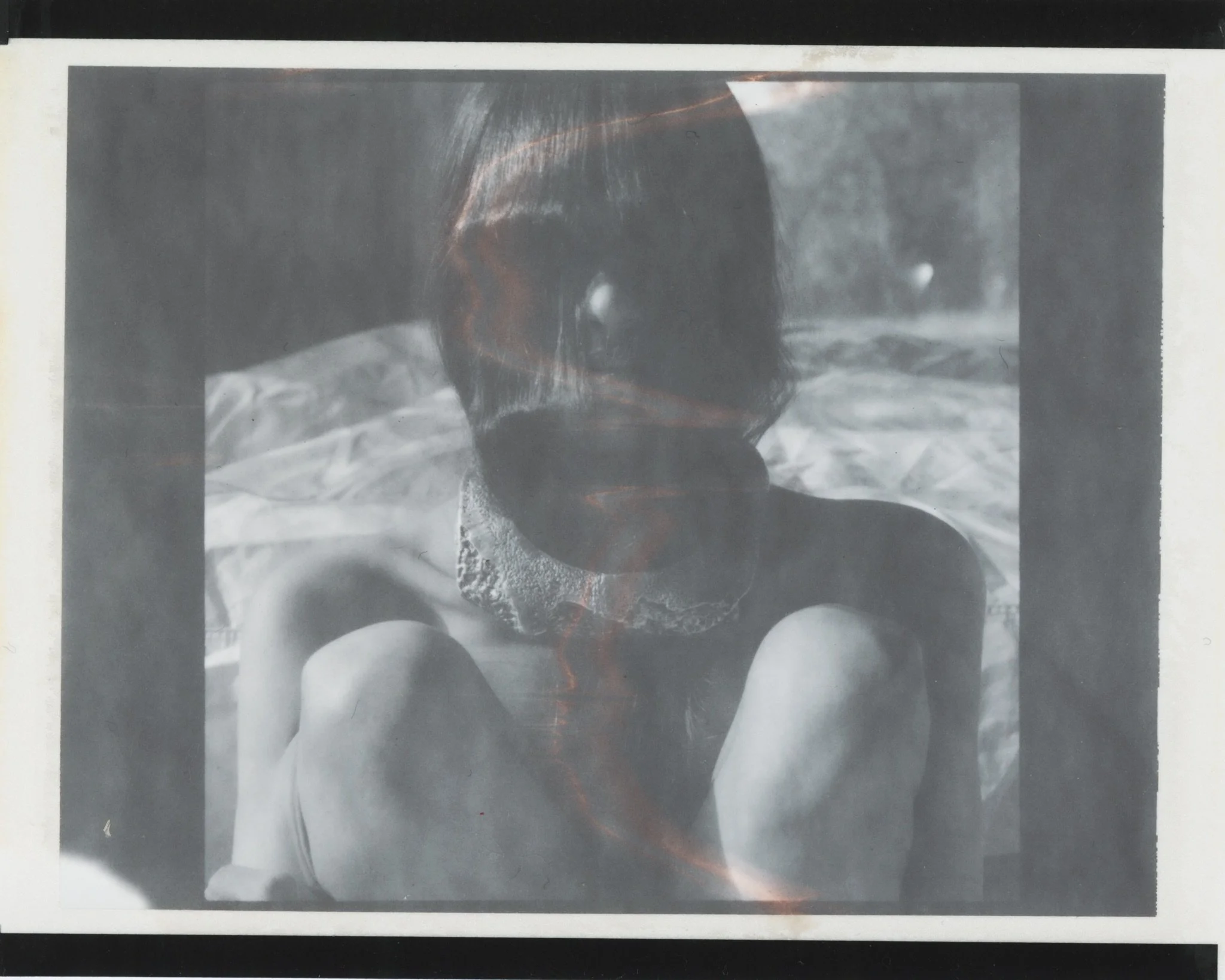
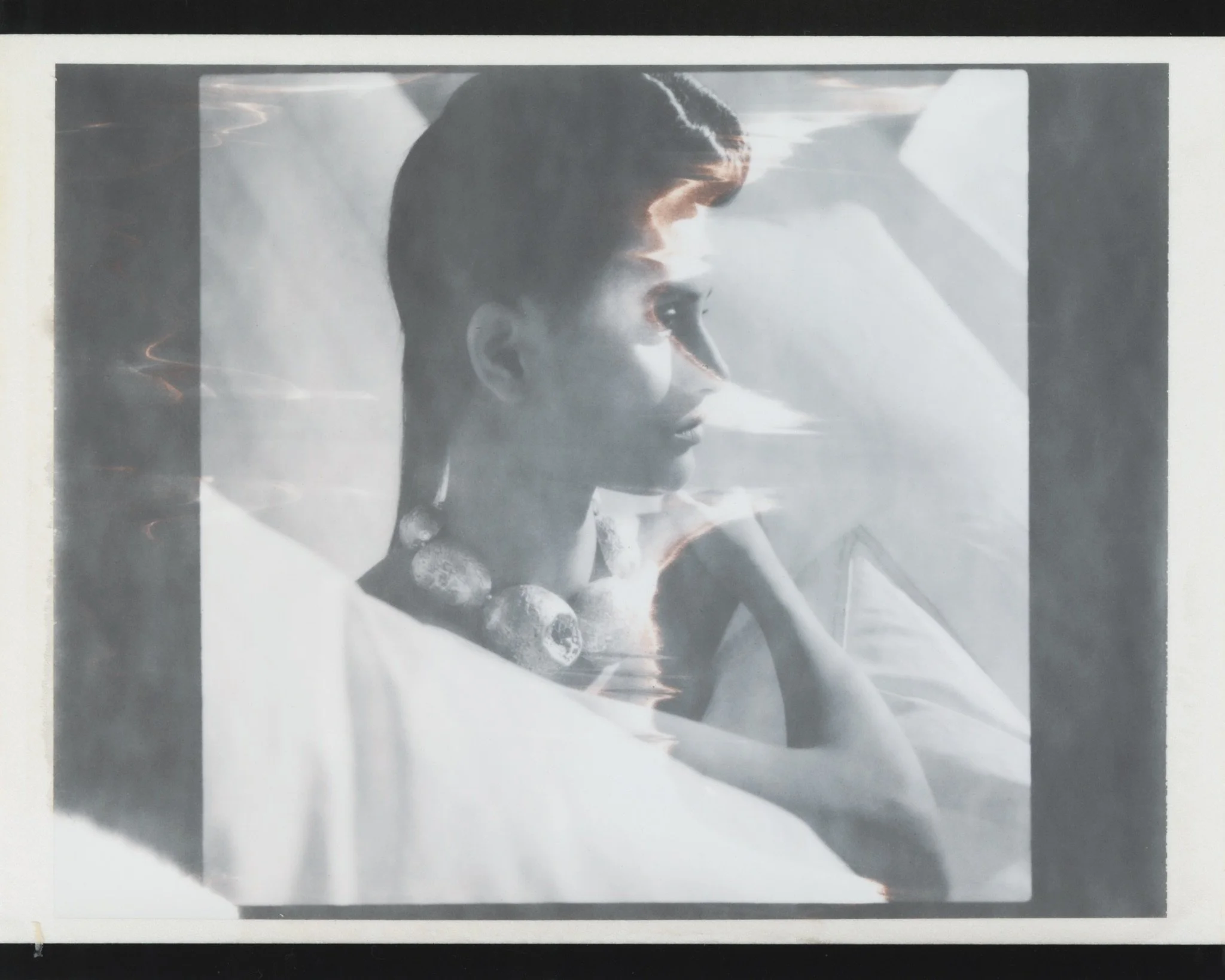
“The autobiography behind the chapters is important to me, but I want the objects to eventually acquire lives and memories outside of mine.”
There seems to be a growing tension between permanence and impermanence in design. Does an object need to last forever to be considered valuable?
Not at all. I work with both reclaimed metals and materials that can change, age or eventually disappear, so permanence can’t be my measure of value. Sometimes deterioration is part of the material’s intelligence. I think what matters more is whether an object deserved to exist in the first place. Longevity without meaning is just longevity.
Intentionally, which contemporary designer, artist or creative practice do you think is quietly changing the conversation around materiality, and why?
Neri Oxman. I’ve always been interested in the way her practice refuses to separate material, biology, technology and design into different conversations. What stays with me is the idea that material can have intelligence of its own, rather than simply being something we impose a form onto. I think that shift, from choosing materials to actually developing and collaborating with them, has changed how a generation of designers thinks about making.
What deserves to disappear from contemporary design?
The algorithm as creative director. When everything is made to be immediately recognisable, shareable and referential, you end up with a lot of different people making strangely similar things. I’d like to see more work that risks being misunderstood.
Is there an idea about sustainability that you think the creative industry has reduced into a cliché?
That a material being “sustainable” automatically makes the object good. Sustainability has become an adjective we attach to things rather than something embedded in how and why they’re made. I work extensively with biomaterials and reclaimed matter, but I’m actually quite resistant to leading with sustainability. A new material still has to justify itself through form, function, process and meaning. Otherwise it’s just another material with better marketing.
Imagine you could build one room, a space with no commercial constraints, to express your philosophy completely. What would it feel like, and what would be inside it?
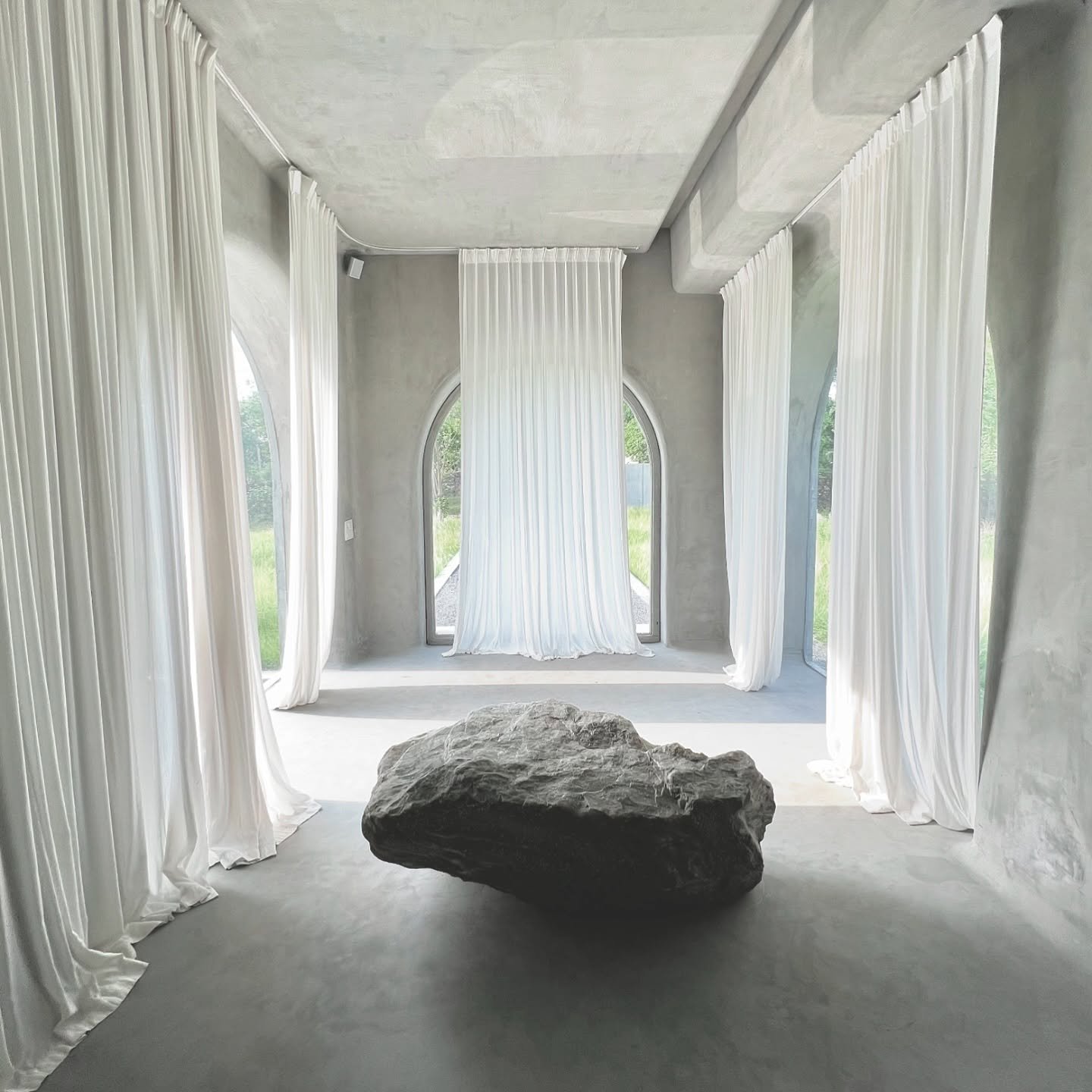
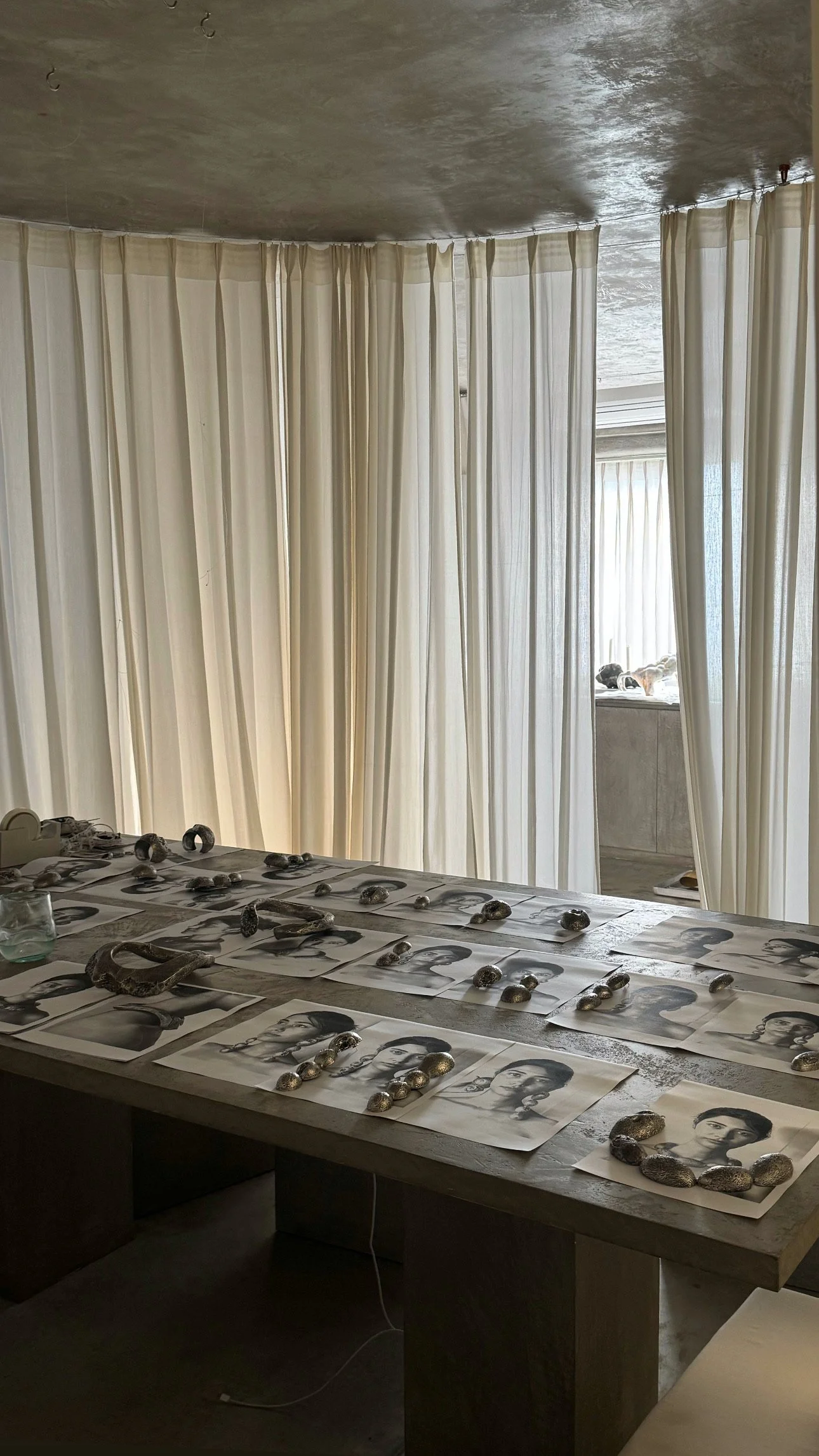
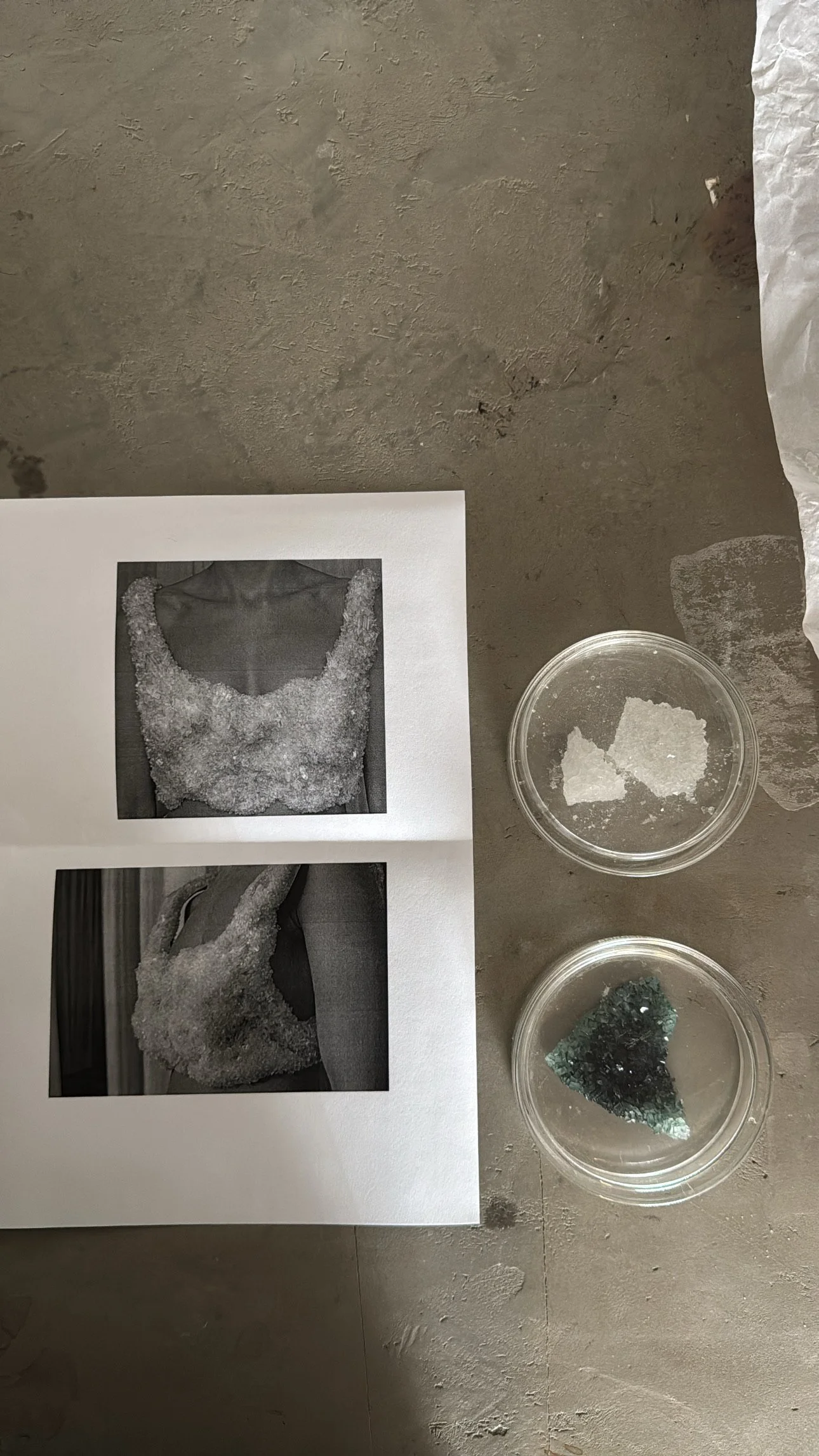
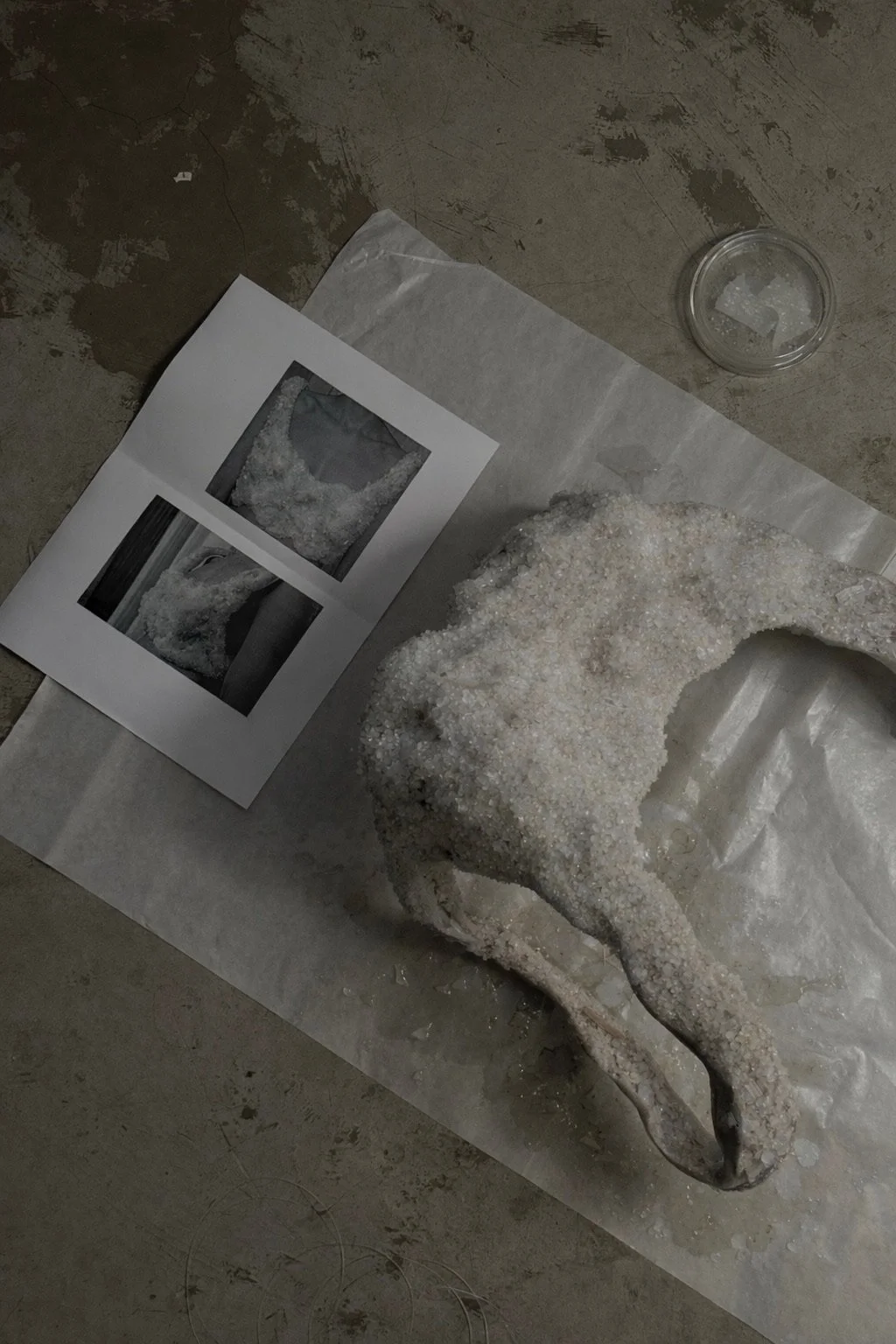
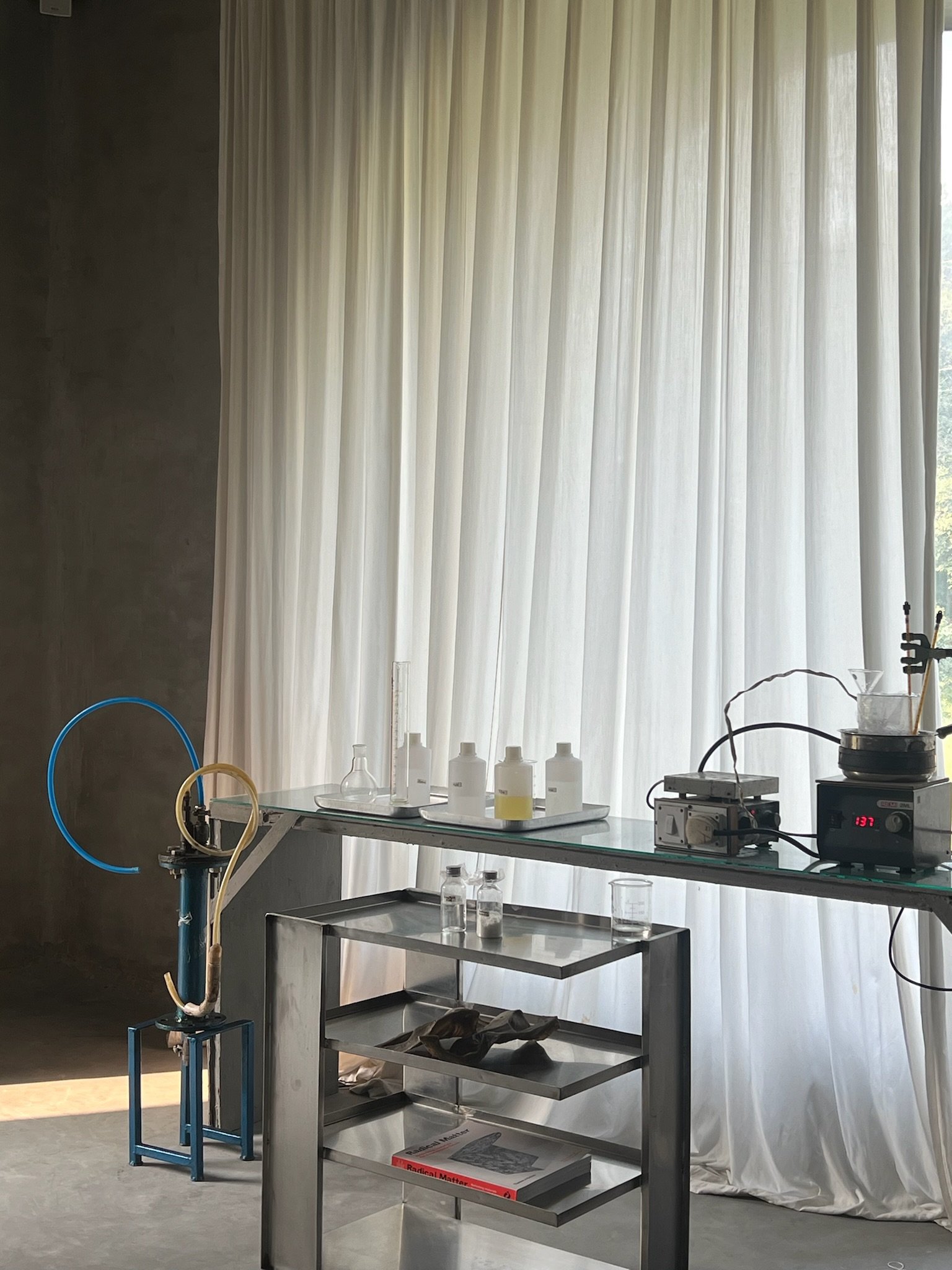
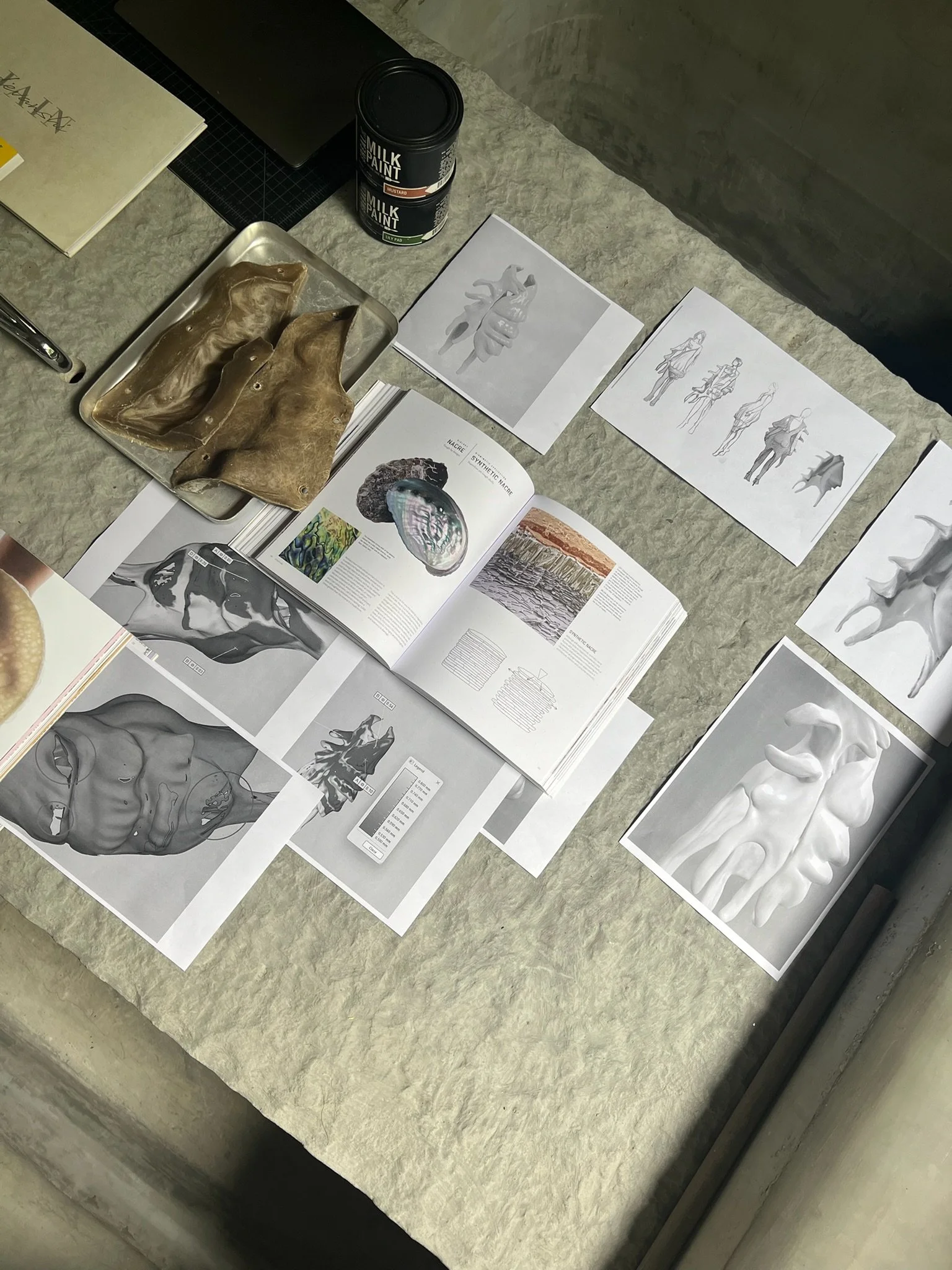
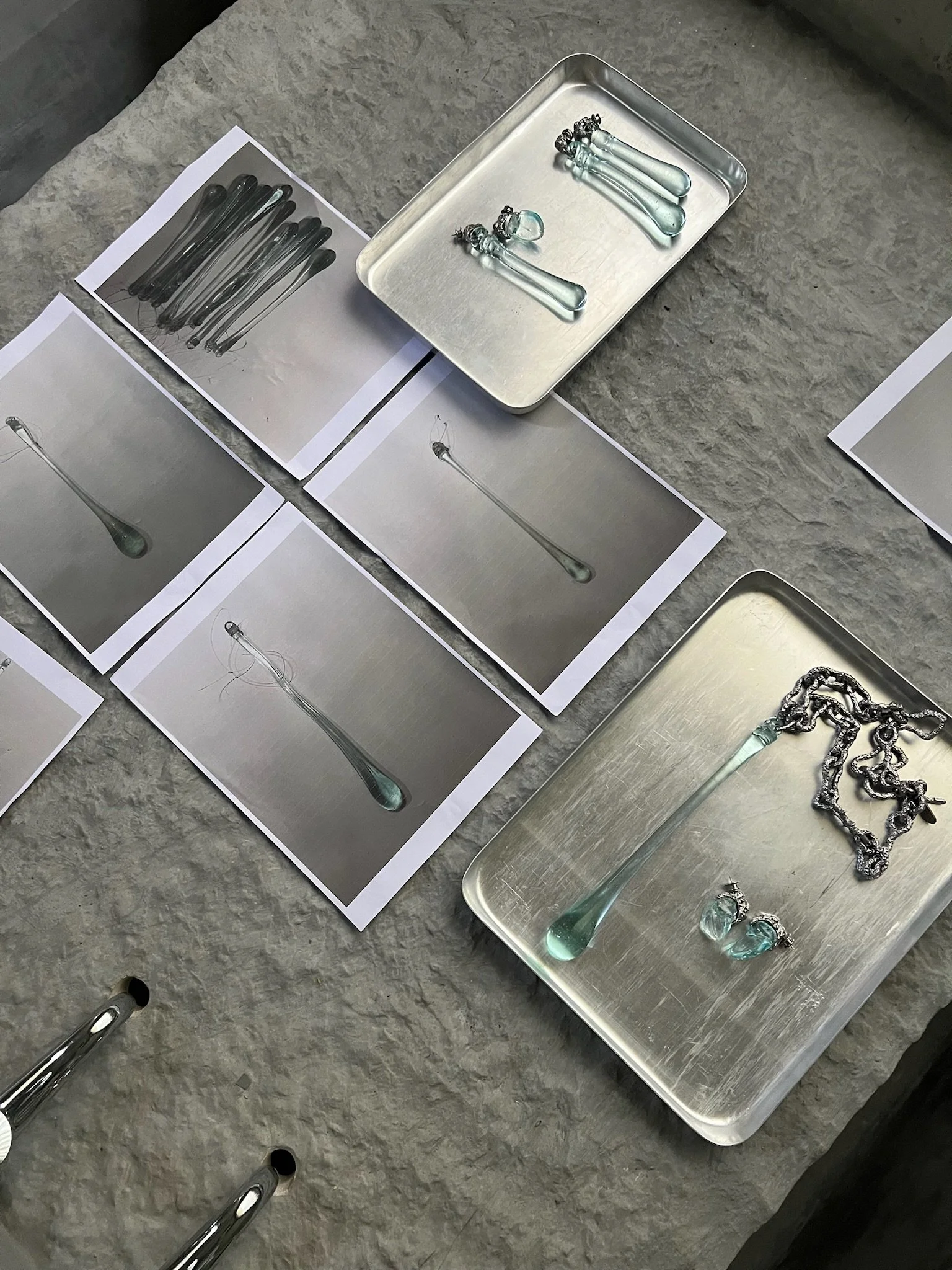
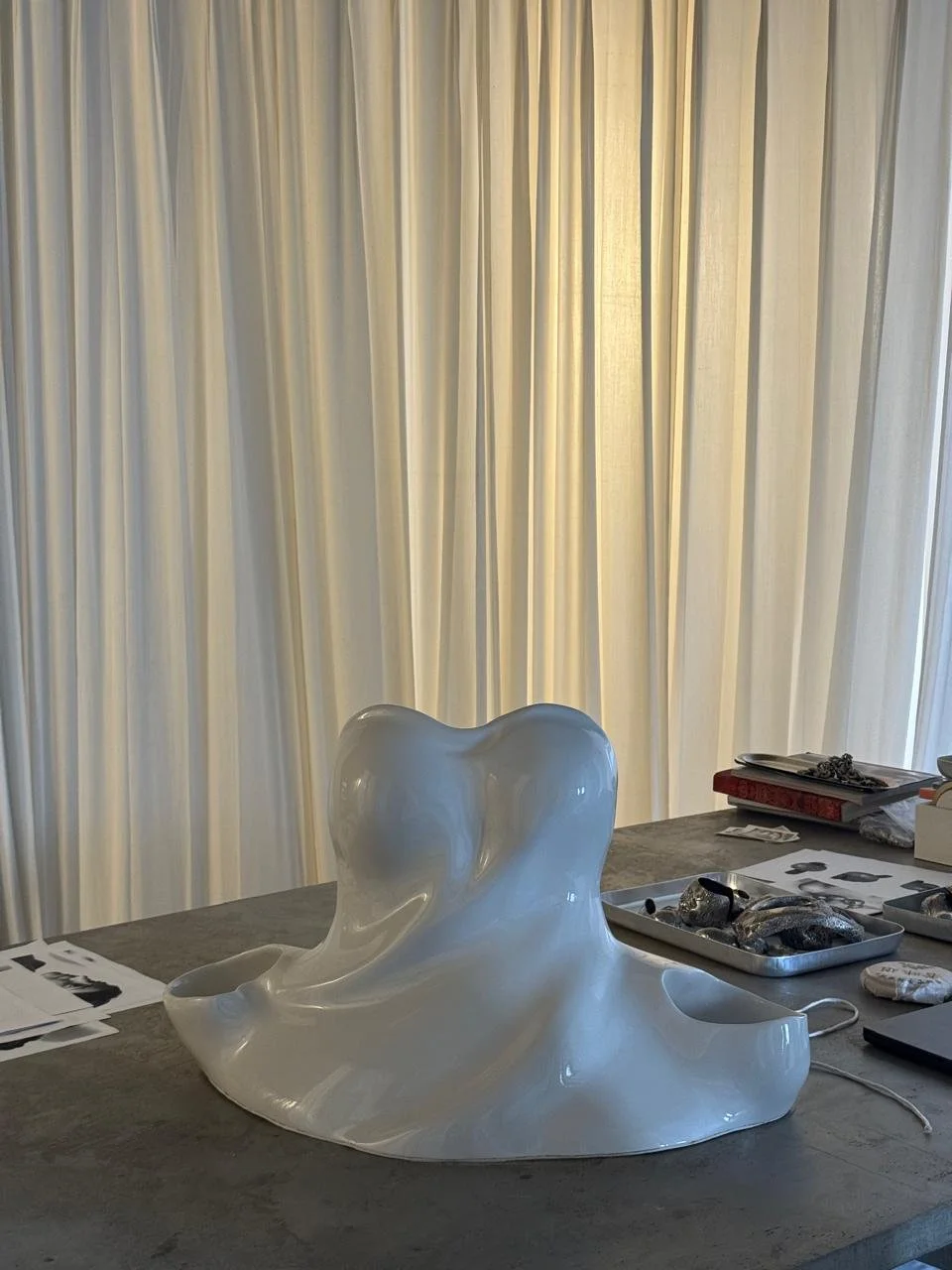
I think I’m already slowly building versions of that room through both the studios: the lab, archive, objects, books, forest, architecture, sound, smell, light, food, all of it becoming part of the same world. Materials being grown, tested, dried, oxidised; prototypes sitting alongside finished objects; things constantly changing or becoming something else. With absolutely no commercial constraints, I’d probably just make the lab slightly insane: scientists and designers working together to biofabricate impossible sculptural forms for the body, with experiments that could run for years, fail completely, or never need to become a product. Basically the studio, but with no reason to be reasonable.
Looking beyond your own work, what shift in design, culture or luxury do you believe we’ll all recognise in ten years, but are failing to notice today?
I think luxury will become less about perfection and more about specificity. We’ve reached a point where almost anything can be reproduced visually, and increasingly convincingly. What becomes difficult to replicate is provenance: who made something, why it exists, what material knowledge sits behind it, how few were made and the physical evidence of its making.
I think we’ll look back at this period as the point when luxury started moving away from endless newness and towards objects with authorship.
The Terrene Edit
--
The Terrene Edit --
A city that continually sharpens your eye.
New York. I lived there for five years at a pretty formative time, so I think a lot of my visual instinct was built there. You’re exposed to so much, so constantly, that you develop an eye almost without knowing it. Art, fashion, architecture, people, streets, exhibitions; you’re always looking and absorbing.
A building everyone should experience once.
The Feuerle Collection in Berlin and Fondazione Prada in Milan, for almost opposite reasons. Feuerle for the restraint of working with what already exists, allowing the building’s history, materiality and imperfections to remain part of the experience; Fondazione Prada for the way contemporary architecture is deliberately introduced into an existing industrial complex without erasing it. Both make me think about India, where we have an incredible architectural inheritance, and how much more we could do with existing buildings if the instinct wasn’t always to renovate them into something new.
An object you’ll never part with.
My grandfather’s old aftershave bottle. It’s a very ordinary object but it has outlived its original function and become something completely different through memory. I think I’m naturally attached to objects that carry evidence of another person or another time.
A material we’re not paying enough attention to.
Mycelium. Not simply as a replacement for an existing material, but as a living system with its own behaviours and limitations. I think we’ve barely begun to understand what it can become when we stop asking it to imitate conventional materials and instead allow it to develop its own material language.
A book you’ve returned to more than once.
My own journals. Probably more than any book. I’ve kept them through very different periods of my life, and going back to them often reveals things I didn’t understand when I was writing them. A lot of my work has actually begun that way.
A meal you’ll never forget.
Anything cooked by my mother or my husband. I’ve had some incredible meals around the world but the ones I remember most are still the ones either of them made at home.
One trend you’d happily leave behind.
All of them. I’ve never really understood the desire to make something because everyone has collectively decided it matters for six months. Trends are useful as records of culture, but I’d rather observe them than design around them.
One word you hope defines the next generation of luxury.
Provenance. As objects become easier to reproduce and aesthetics easier to replicate, I think knowing where something came from, who made it, how it was made and why it exists will become increasingly valuable. Luxury, to me, will be less about recognisability and more about specificity.
Words by Srishti Jindal